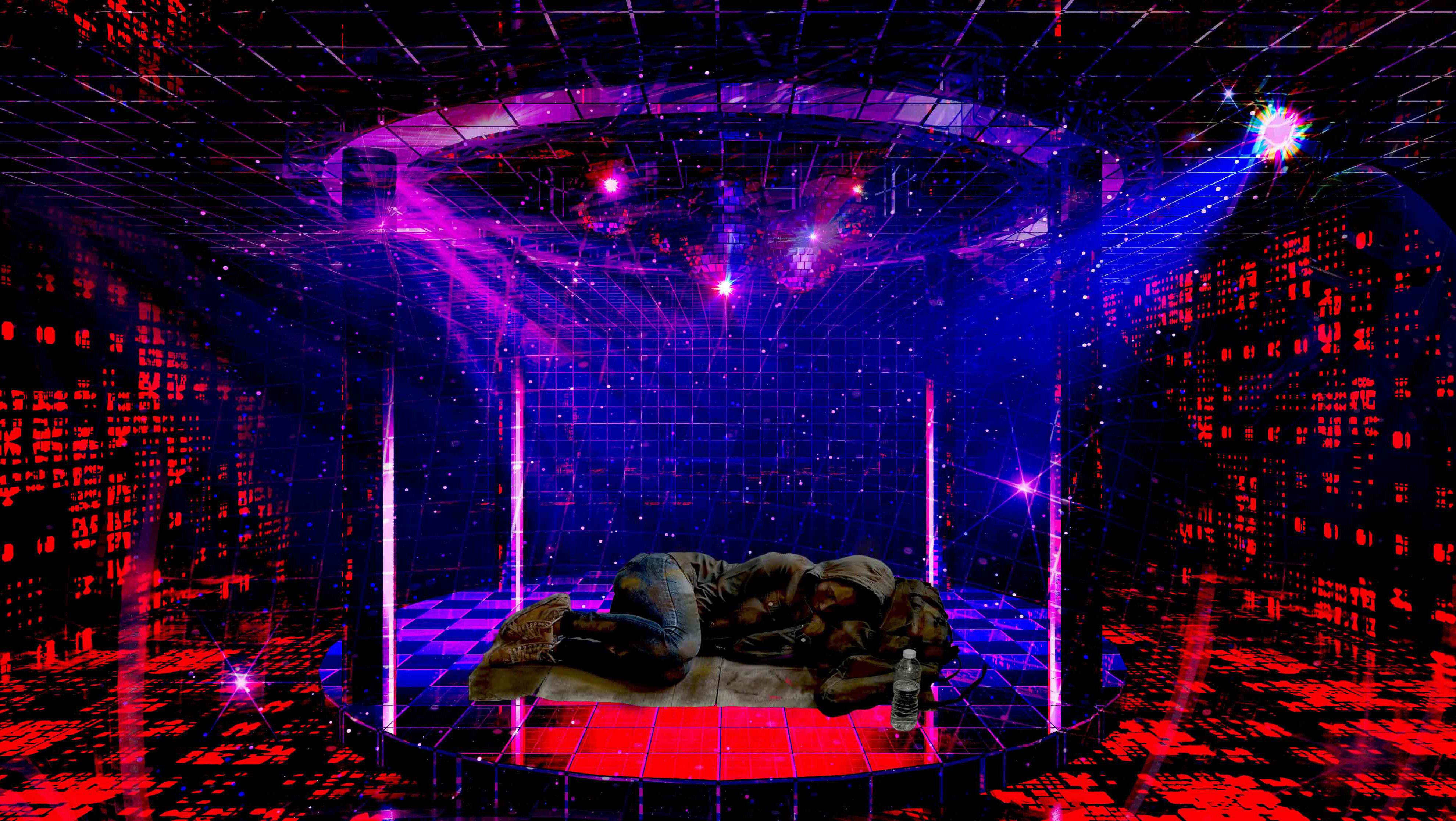
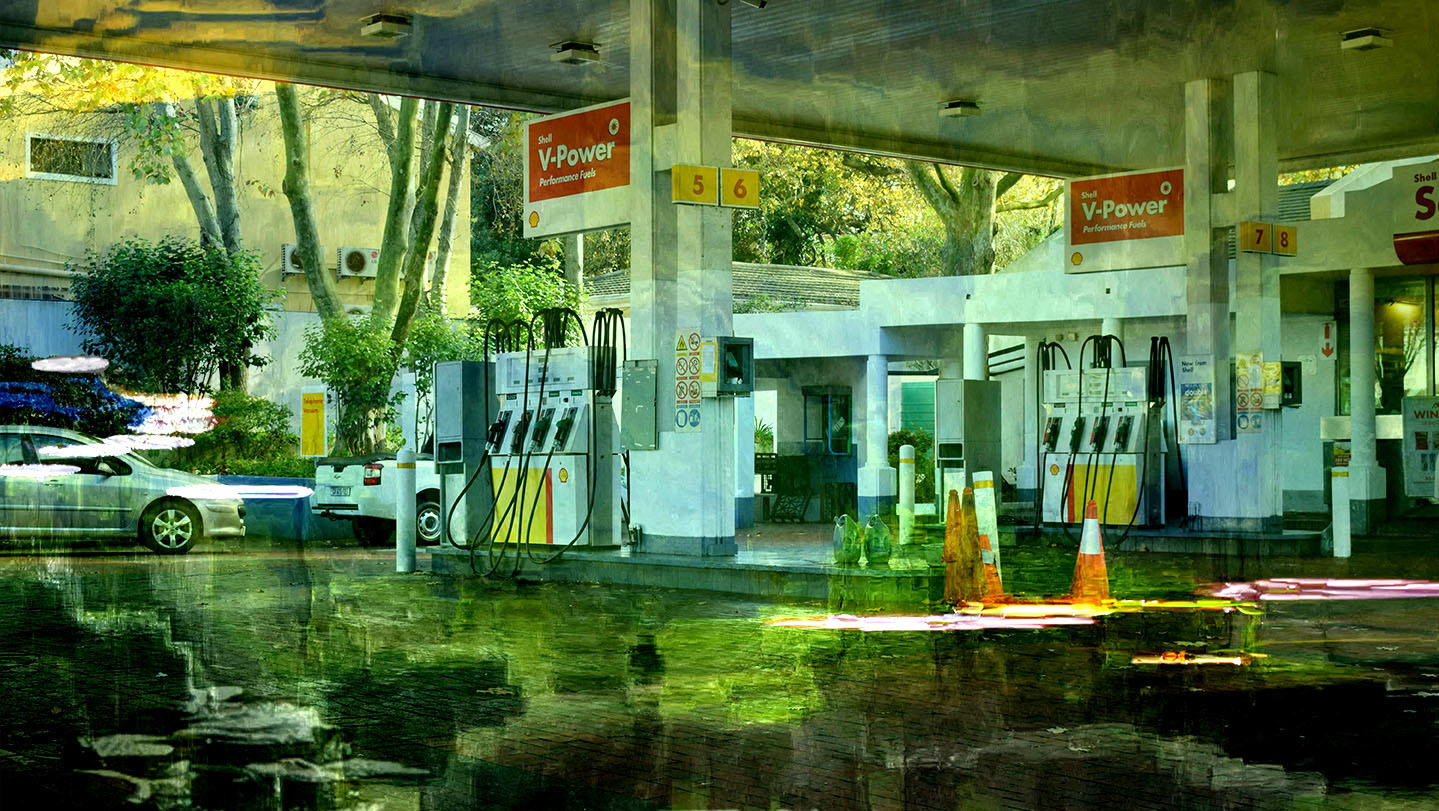
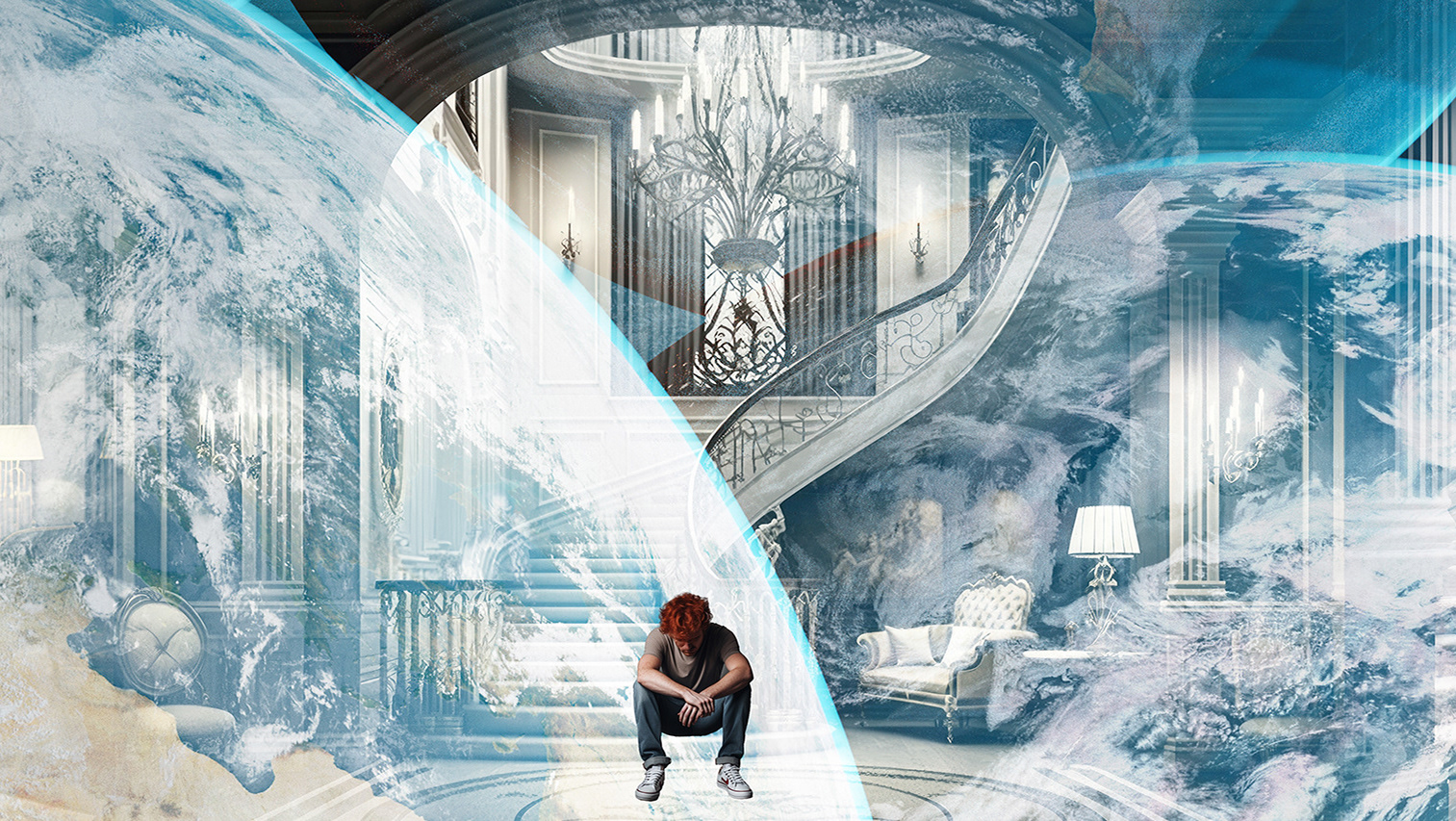
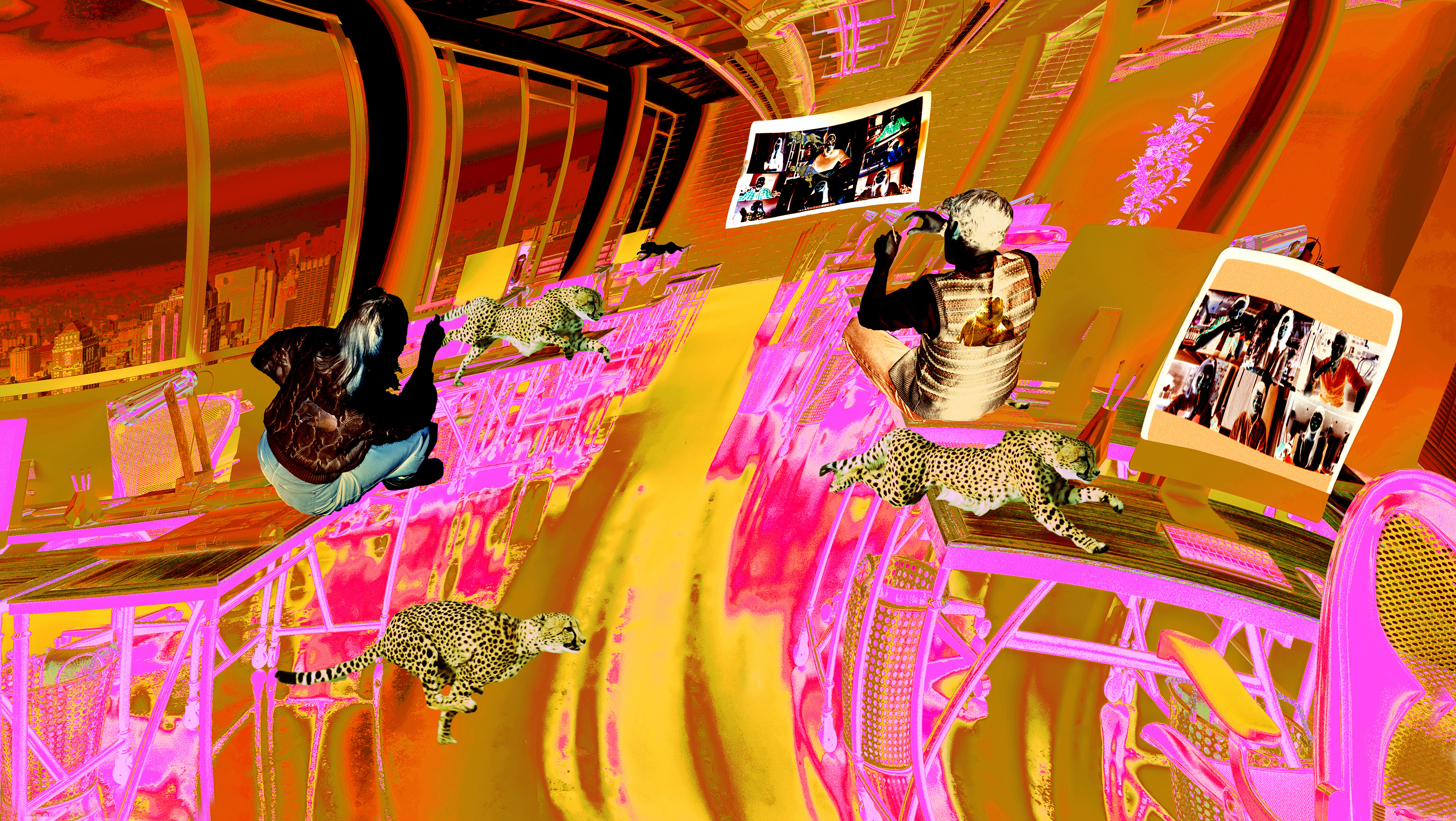
theatre (2008 - 2016)

Theatre I
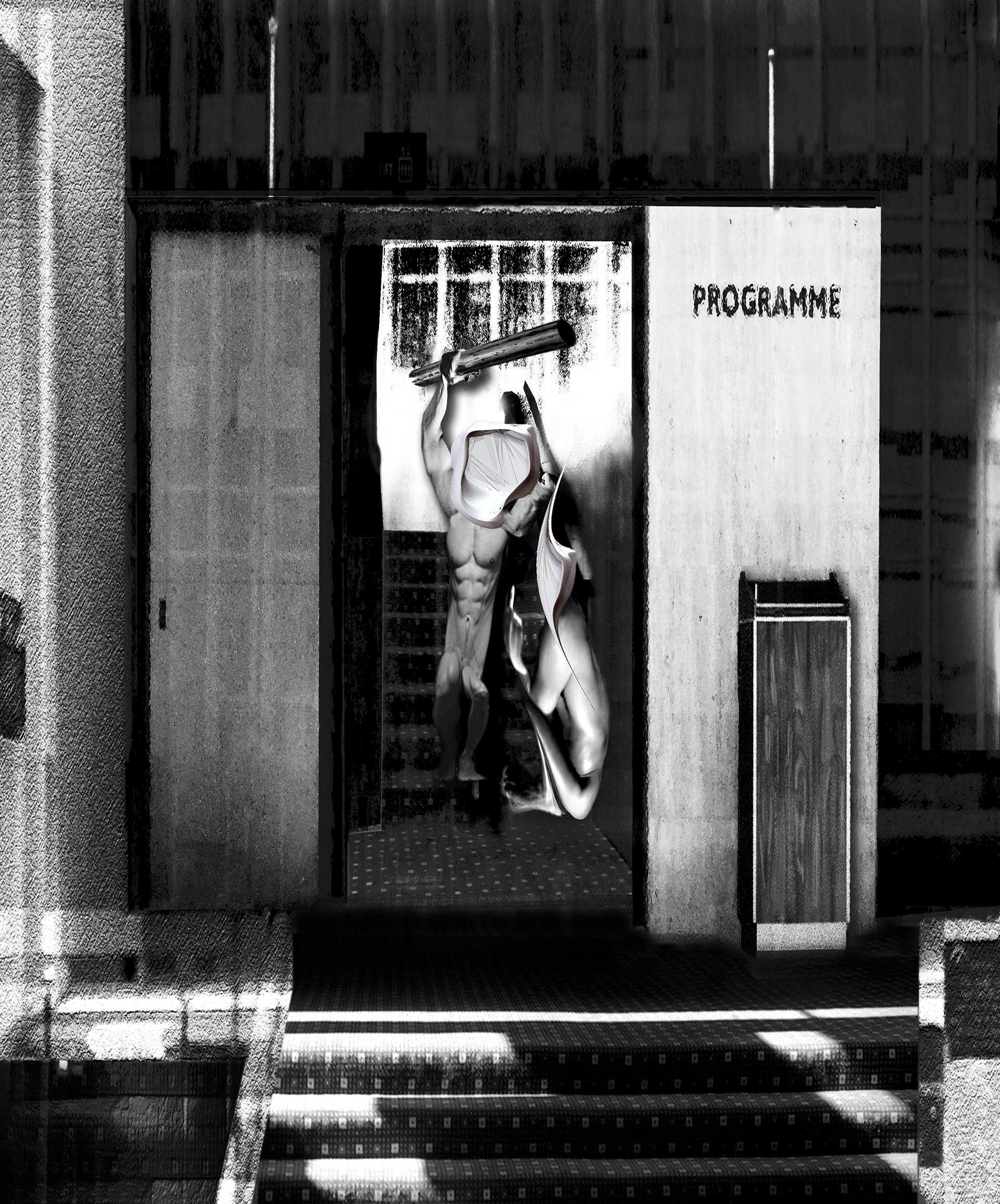
Theatre II
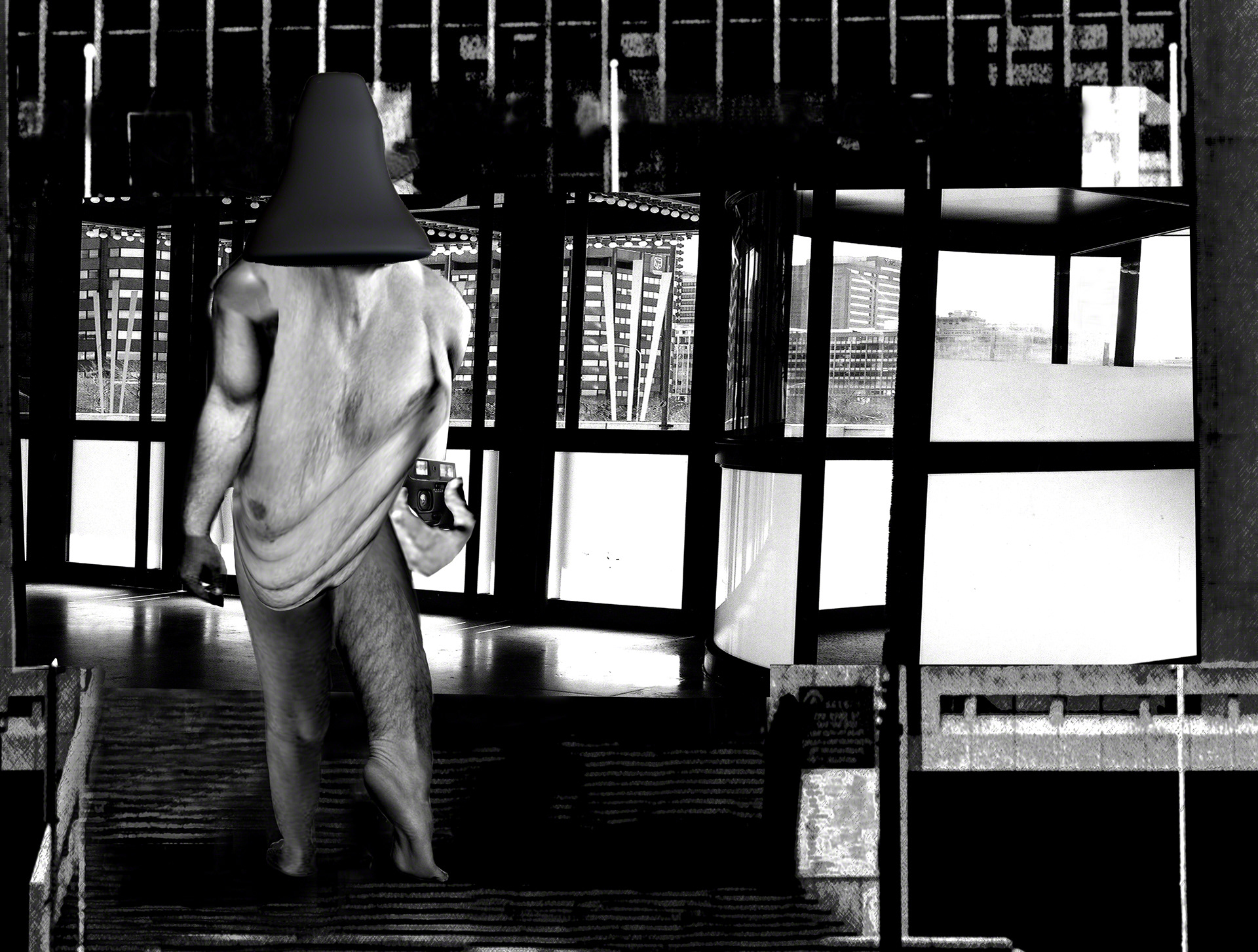
Theatre III
archive (2008 - 2016)
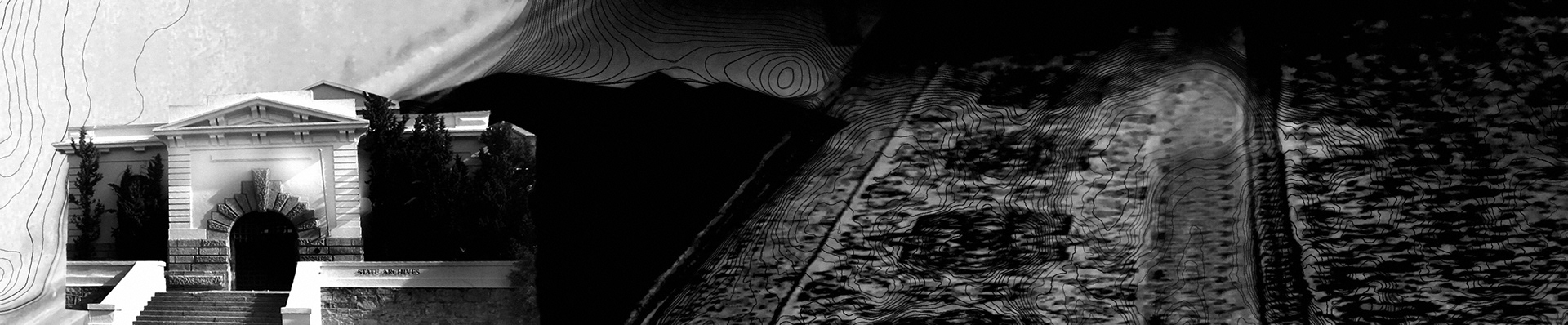
Archive I

Archive II

Archive III
Convention centre (2008 - 2016)
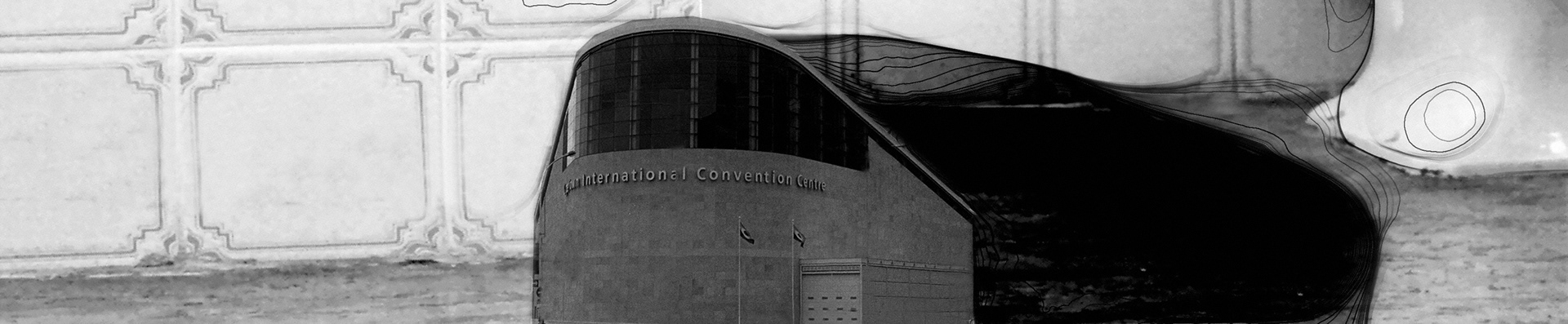
convention centre I
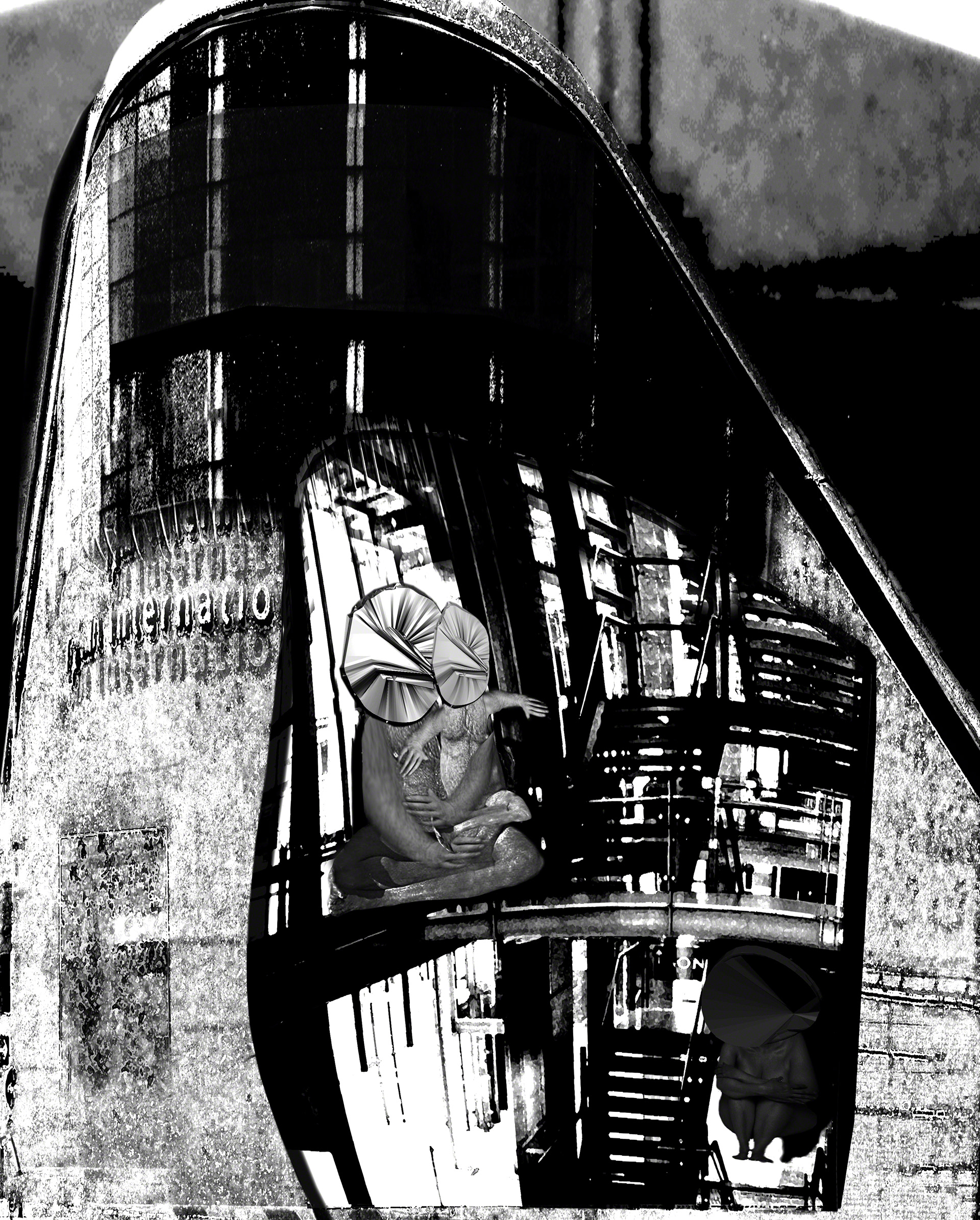
convention centre II
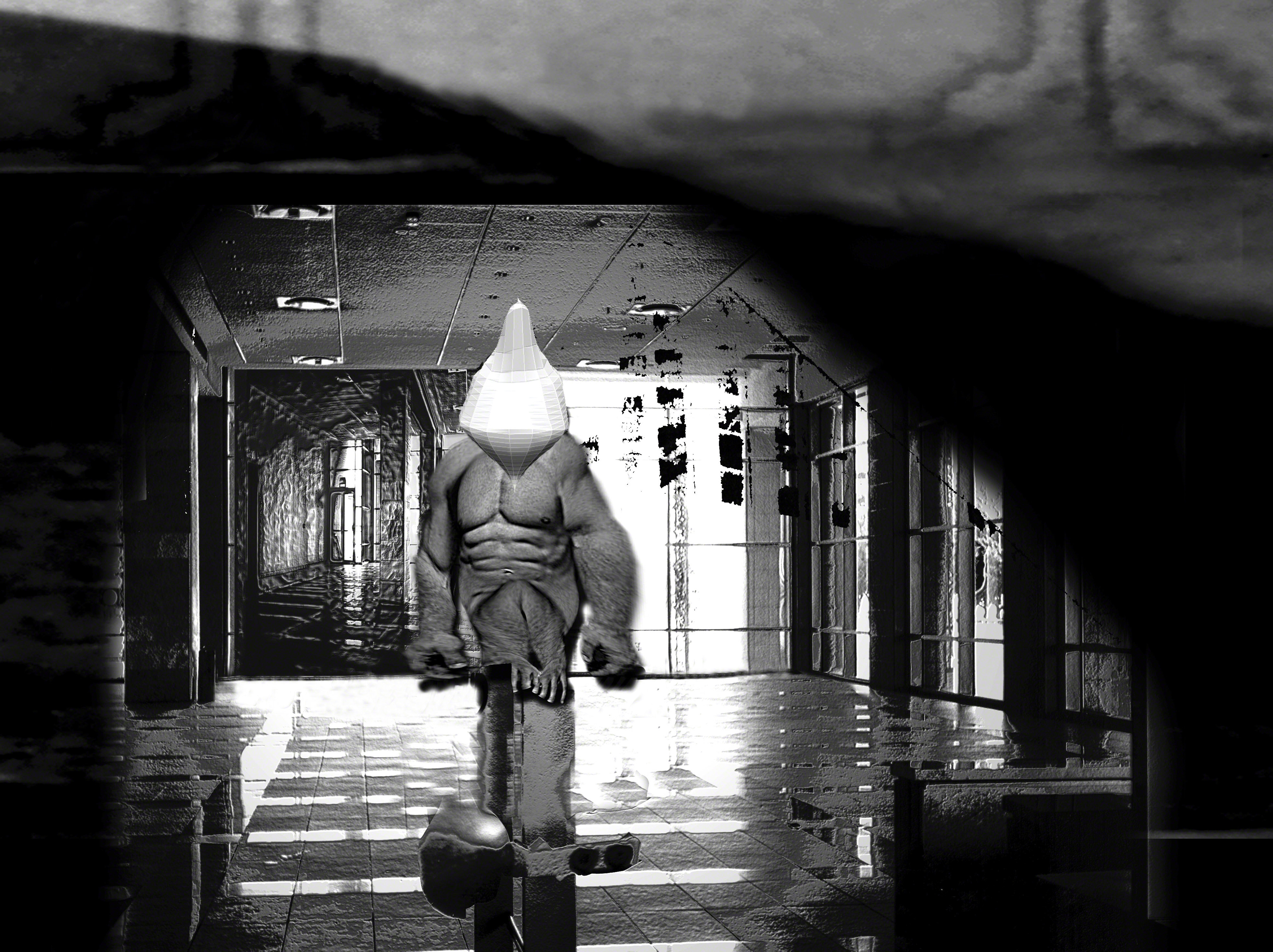
convention centre III
synagogue (2008 - 2016)
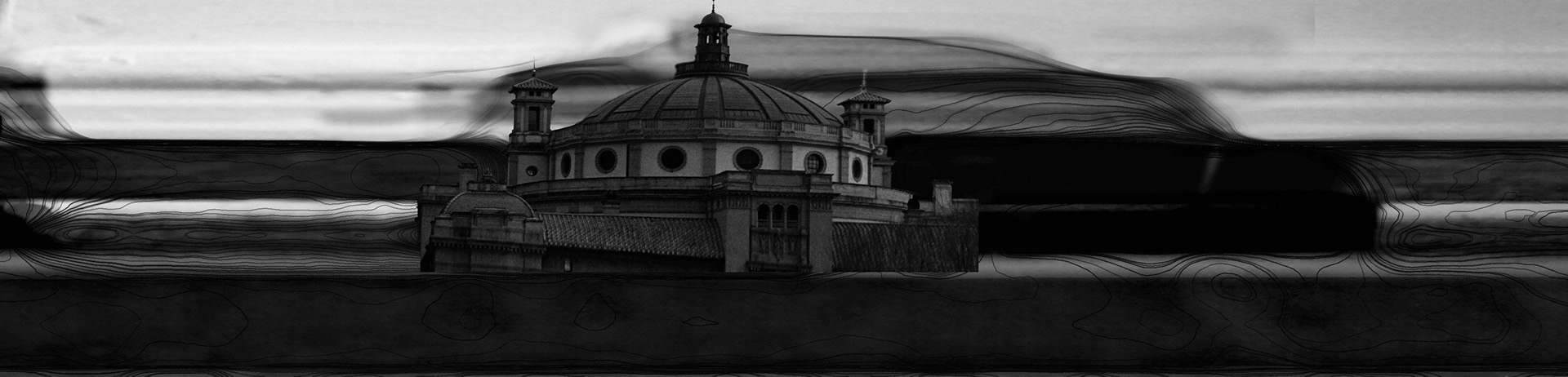
synagogue I
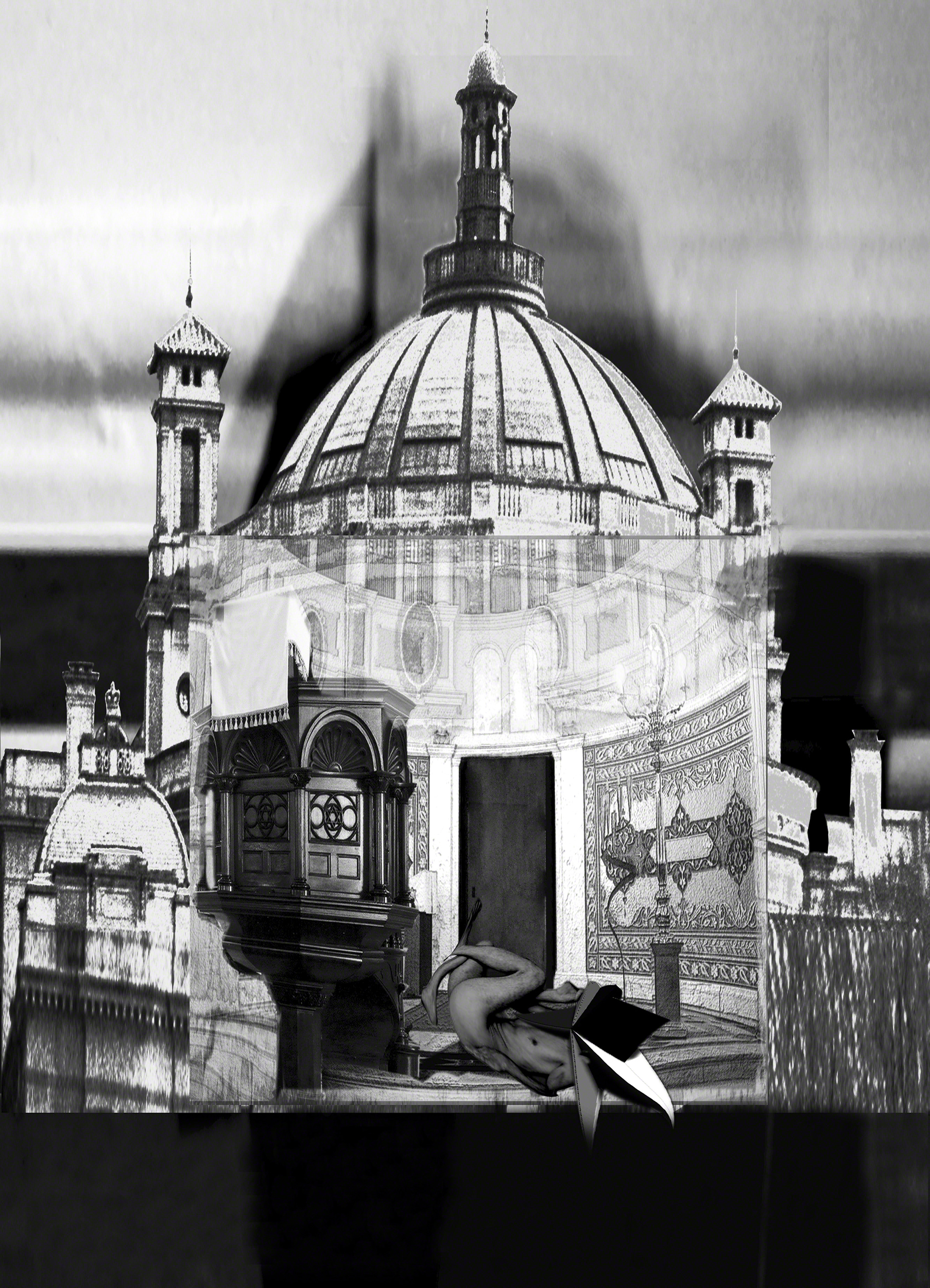
synagogue II
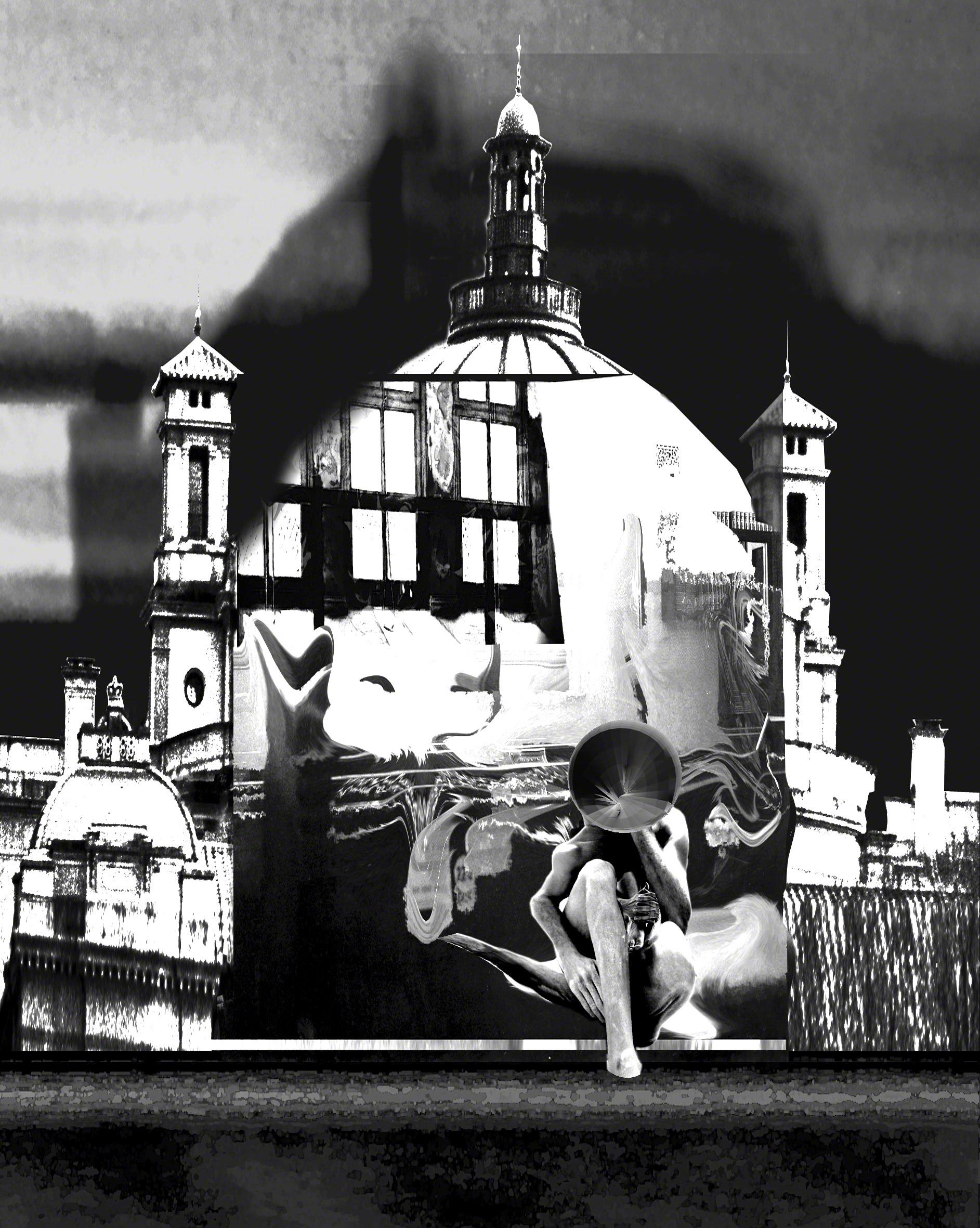
synagogue III
hotel (2008 - 2016)

hotel I
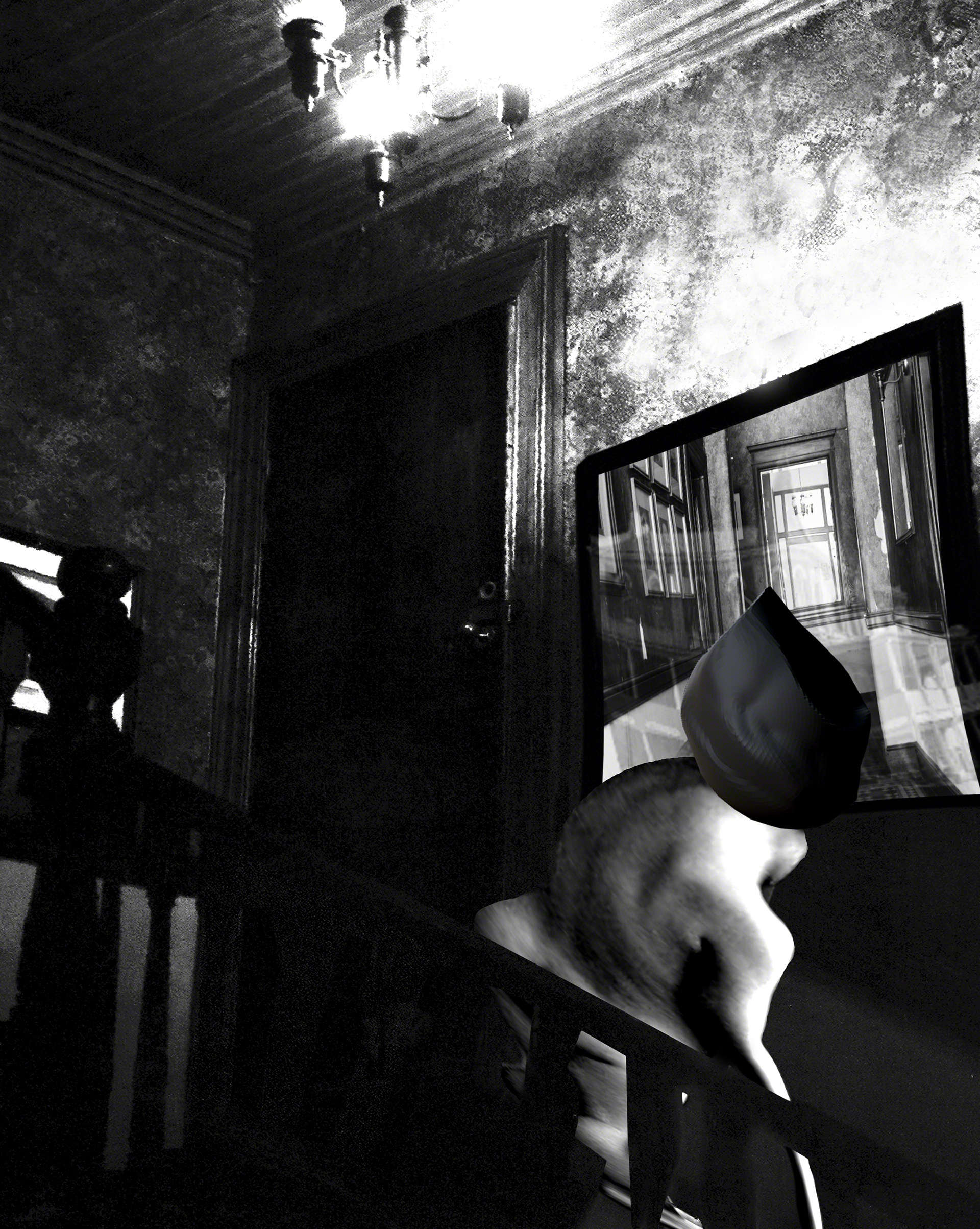
hotel II
library (2008 - 2016)

library I
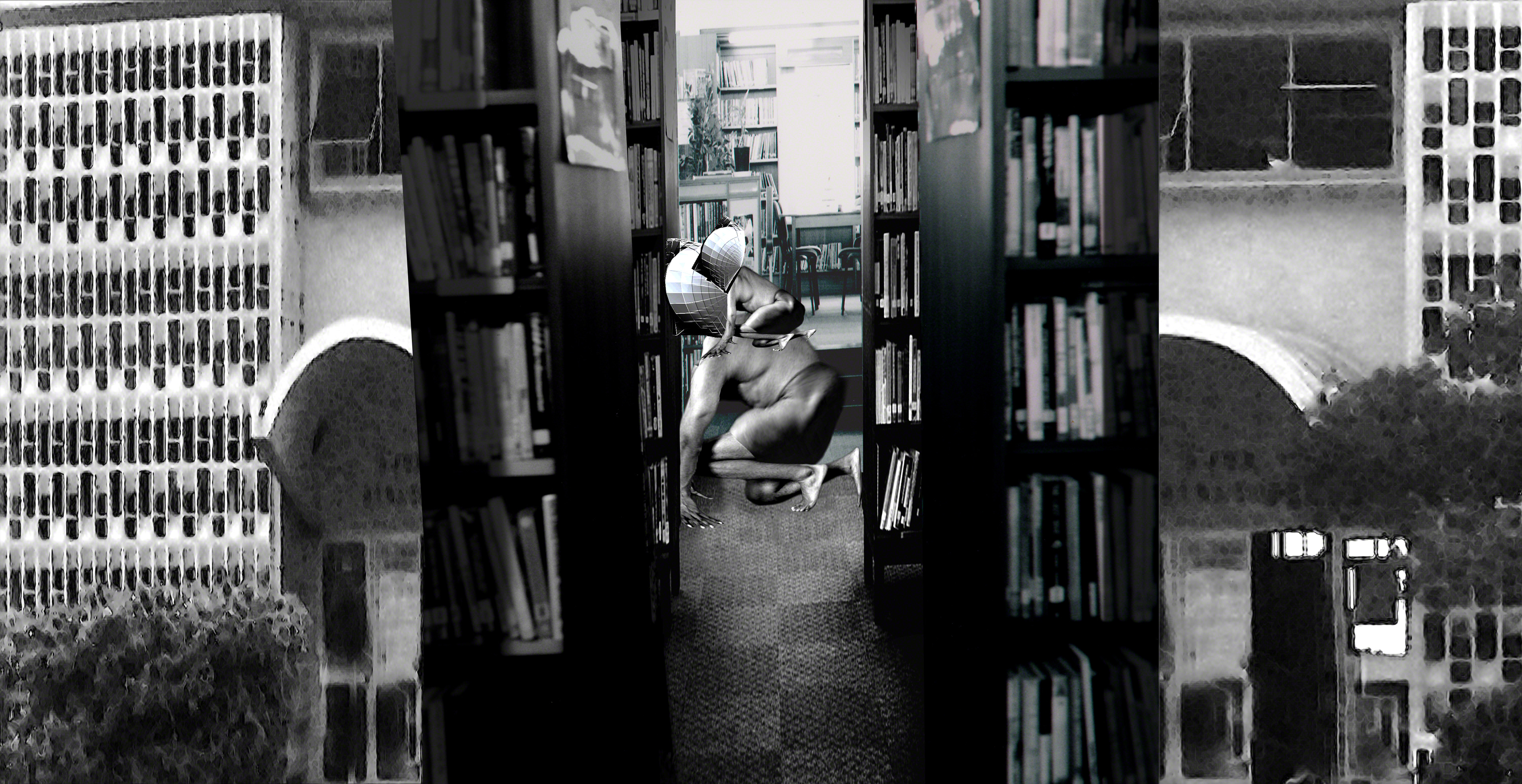
library II
do people know who you say you are?
a gothic reimagining of the self
I return to the Gothic because it knows what to do with fear.
In the 1790s, Gothic fiction gave shape to the anxieties stirred by revolution. Darkness, confusion, blood and horror became a way of processing a world that no longer felt stable. I am drawn to that tradition not as nostalgia, but as a way of thinking through the instability of the present: personal, political and social.
In this body of work, buildings are not neutral backdrops. Each structure carries a purpose, and that purpose becomes the frame through which I explore the tension between self-knowledge and reputation. What is known privately, what is performed publicly, and what society chooses to conceal all begin to press against one another.
In Cape Town, architecture and urban space still carry the pressure of history. Buildings do not simply house experience; they reveal it, contain it, distort it and sometimes hide it in plain sight.
As in the Gothic tradition, architecture becomes psychological. Rooms, facades, thresholds and objects act as mirrors for the self. They hold the visible and the hidden, the respectable and the feared, the parts of us that are displayed and the parts that return despite being buried.
sources
John Bowen, “Gothic Motifs,” The British Library, accessed 15 June 2026, https://www.britishlibrary.cn/en/articles/gothic-motifs/.
Jerrold E. Hogle, ed., The Cambridge Companion to Gothic Fiction (Cambridge: Cambridge University Press, 2002).