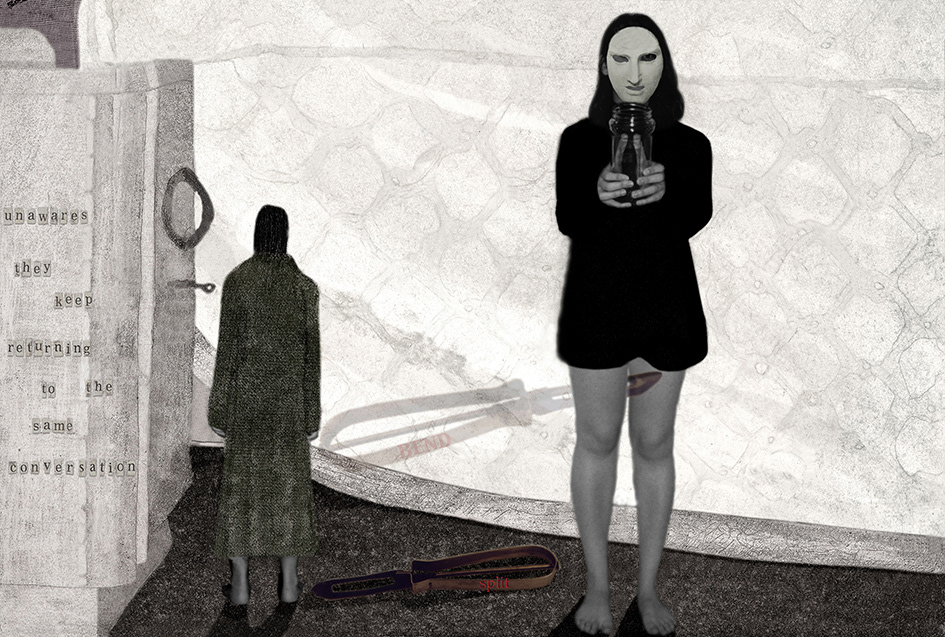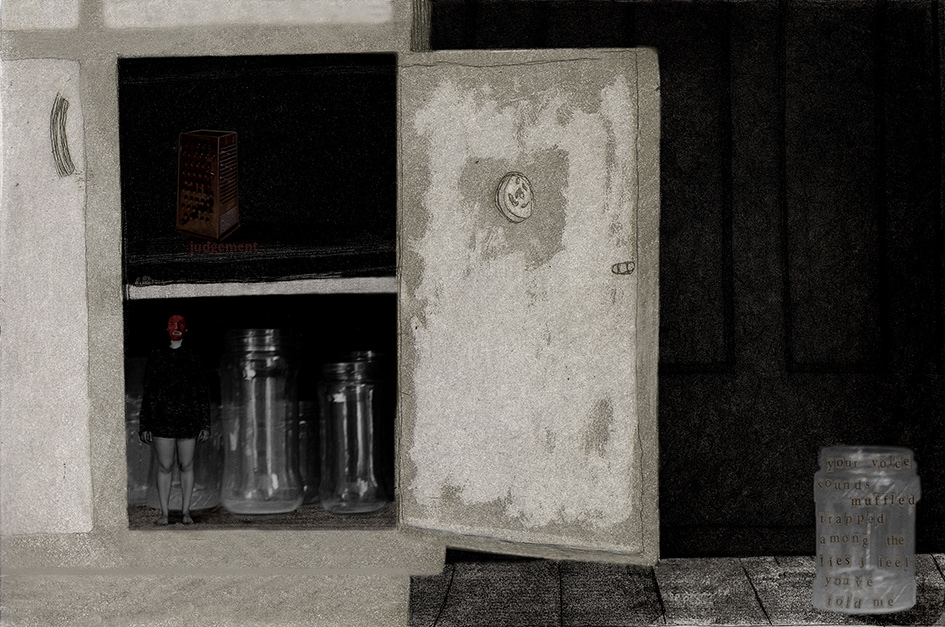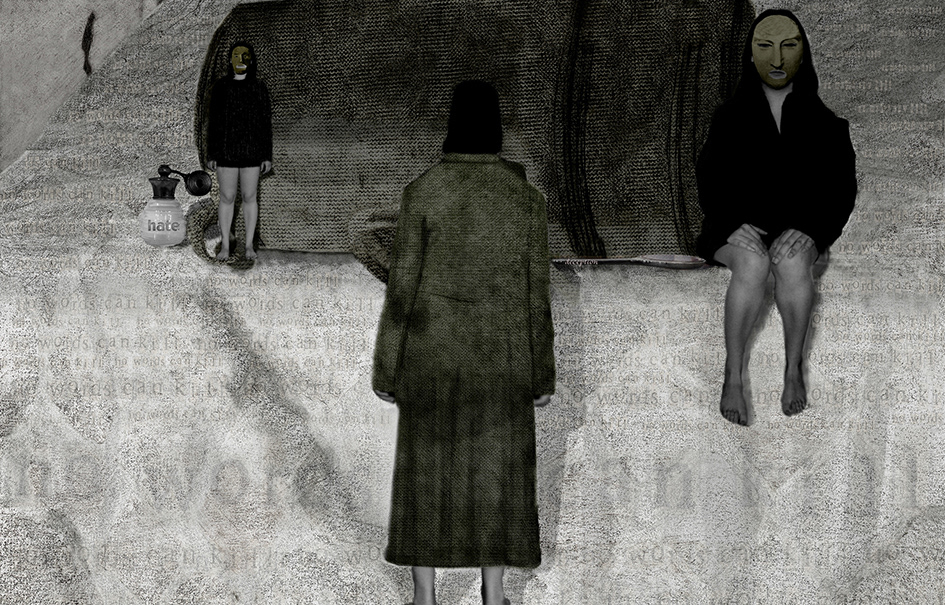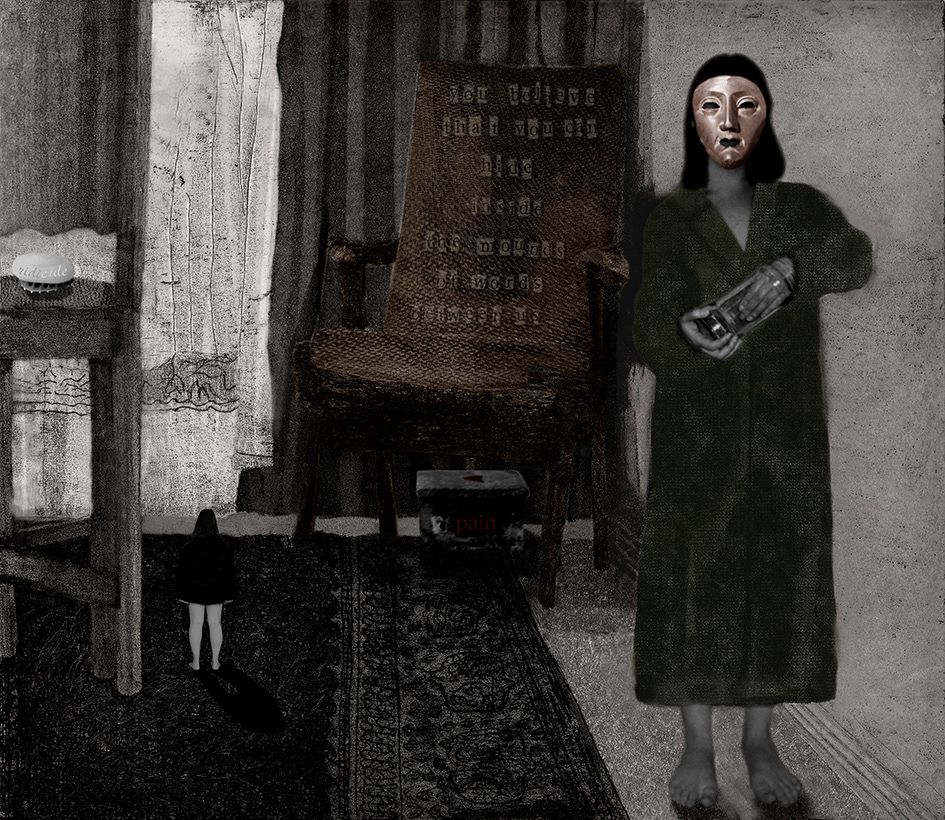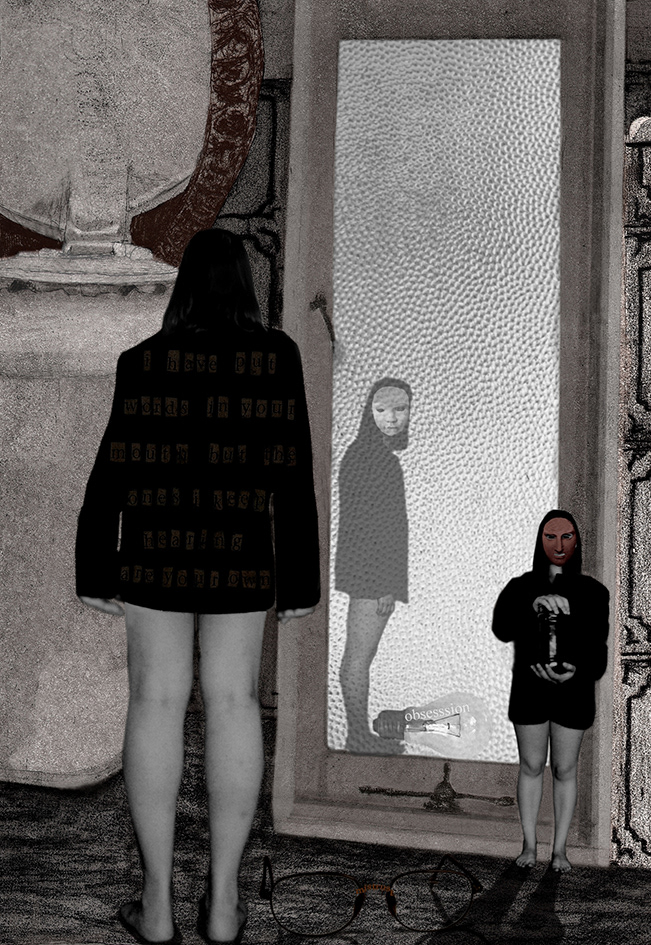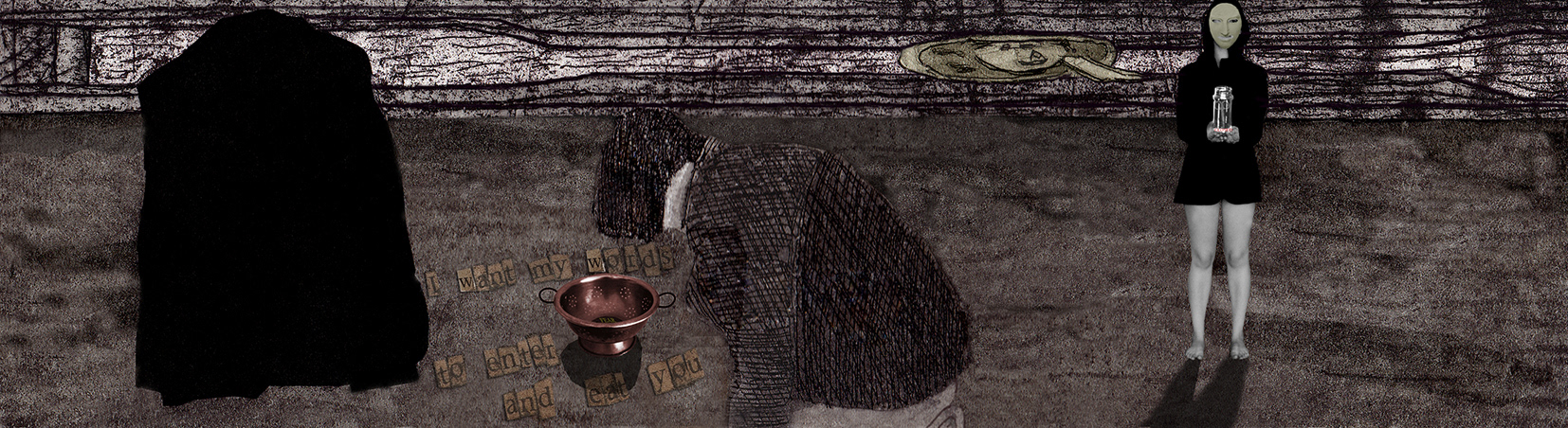
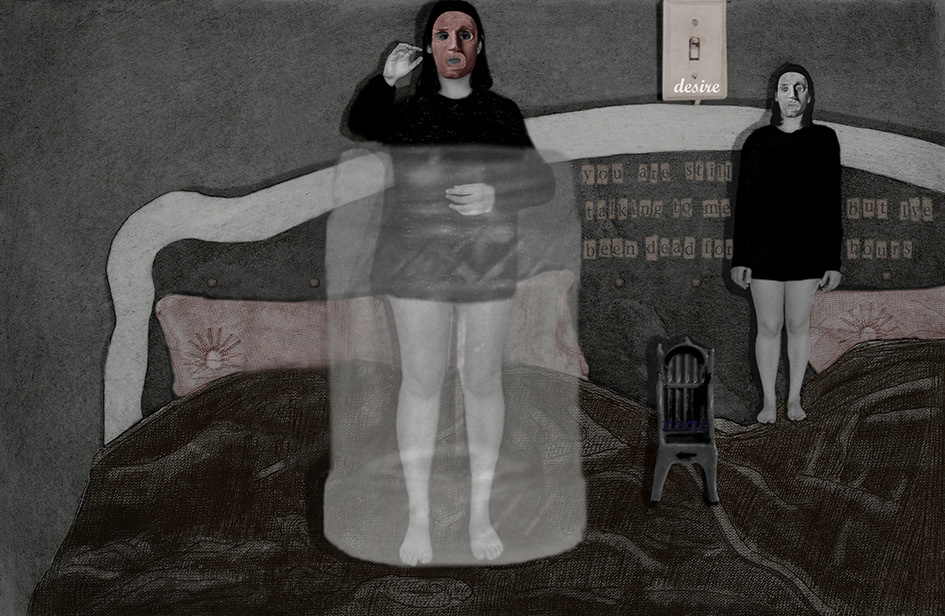
In the beginning (2020)
The Pre-reckoning (2020)
The reckoning (2020)
The reckoning part 2 (2020)
The dream post reckoning (2020)
Reckoning with gender based violence
Natural disasters not only devastate communities, but they also lead to an increase in gender-based violence. After Hurricane Katrina in Mississippi, the rate of gender-based violence (including sexual assault and domestic violence) rose from 4.6 per 100 000 a day to 16.3 per 100 000 a day a year later, while many women remained displaced from their homes and were living in temporary shelters and trailers.(1)
Namibian focus groups of men said that in displacement camps after localised flooding men entered tents at night to have sex with women without their consent, a practice known in the Zambezi region as the ‘Manganela system’.(1) And in Laos after the dam collapse, 27% were aware of someone who had been raped following the disaster.(1)
Sexual violence is a serious and pervasive issue in South Africa as well as globally. Young women are especially vulnerable, and schools are one of the environments where this risk is particularly pronounced. In South Africa, many learners experience sexual harassment and abuse, sometimes at the hands of teachers and sometimes from fellow learners. (4) (5)
Adolescent girls are in a vulnerable place at school, dealing with emotional turmoil and confusion as they move out of a world of theory and into reality; Aware for the first time of their physicality and what it means in the world. One can say that after a natural disaster women have more in common with their adolescent selves than at any other time and thus both adolescent girls and women in these types of situations find it more difficult to respond in a way that protects them from harm. (3)
As I reflect on my own adolescence, I was one of these girls, sexually assaulted by a boy my own age, though not raped, caught off guard and without recourse, hiding what had happened behind a smile because I had no framework for what to do with it.
Neither schools nor disaster zones are always recognised as sites of heightened gender-based violence, but the patterns are there, and the storms keep coming.
sources
(1) ‘Unseen, unheard: Gender-based violence in disasters (Global study)’,INTERNATIONAL FEDERATION OF RED CROSS AND RED CRESCENT SOCIETIES (IFRC),2015,Accessed 12 January 2020, https://www.preventionweb.net/publications/view/51016
(2) ‘IFRC report: risks of sexual and gender-based violence rise after a disaster’,IFRC,24 July 2018,Accessed 12 January 2020, https://media.ifrc.org/ifrc/2018/07/24/ifrc-report-risks-sexual-gender-based-violence-rise-disaster/
(3) Susan Sullivan,’Five Reasons Sexual Violence Increases in Disasters’,NSVRC,September 19 2017, Accessed 12 January 2020, https://www.nsvrc.org/blogs/five-reasons-sexual-violence-increases-disasters - Extrapolating on the sentiment expressed in this article: "Additionally, the emotional turmoil and confusion can make it even more difficult for a victim to respond to the situation."
(4) South African Human Rights Commission, Concept Note: Webinar on Sexual Violence at Schools, 2026, https://www.sahrc.org.za/home/21/files/Concept%20Note%20Webinar%20on%20Sexual%20Violence%20at%20Schools.pdf
(5) Centre for Applied Legal Studies, University of the Witwatersrand, “Sexual Violence in Schools,” https://www.wits.ac.za/cals/our-programmes/gender/sexual-violence-in-schools/