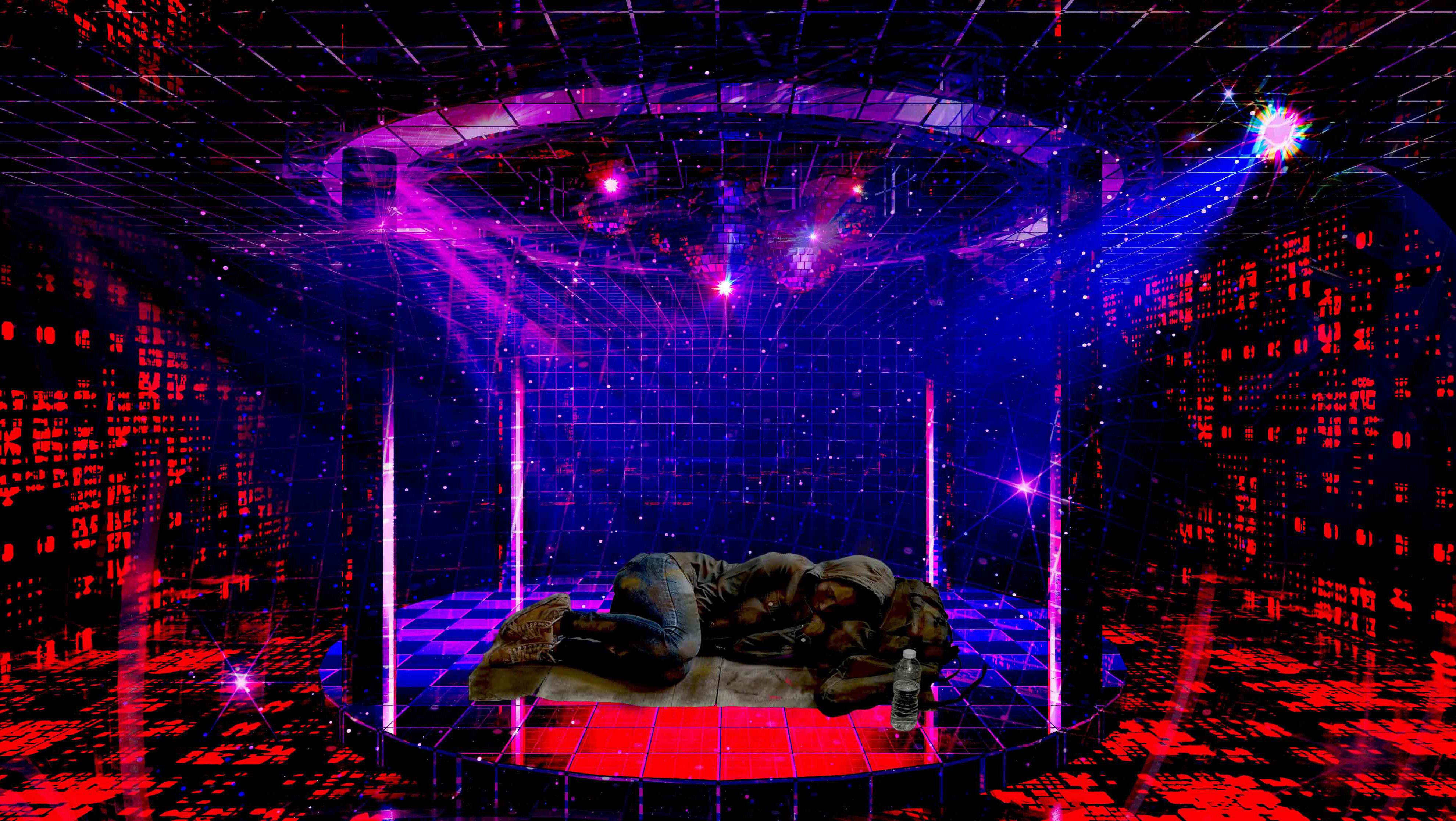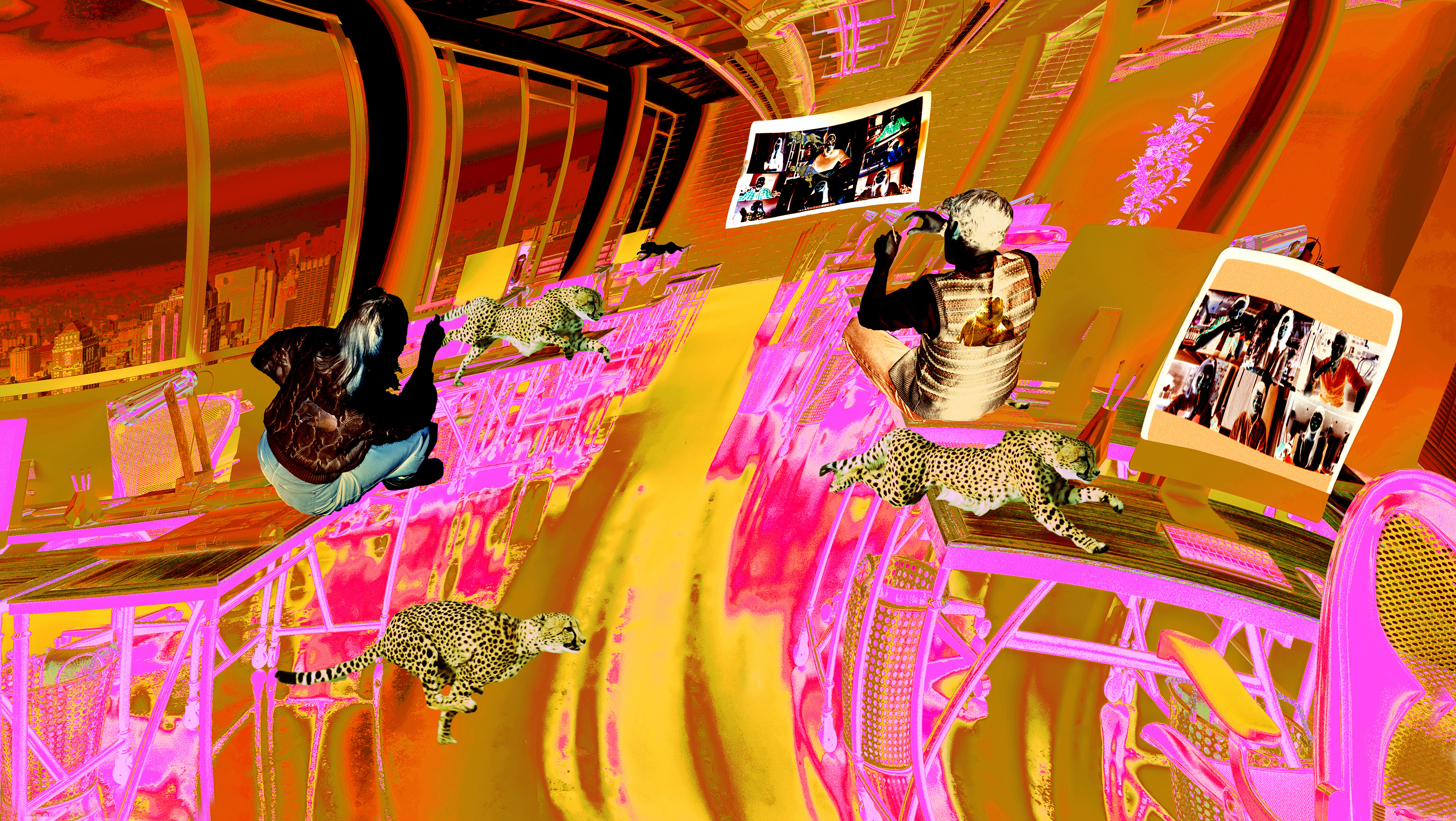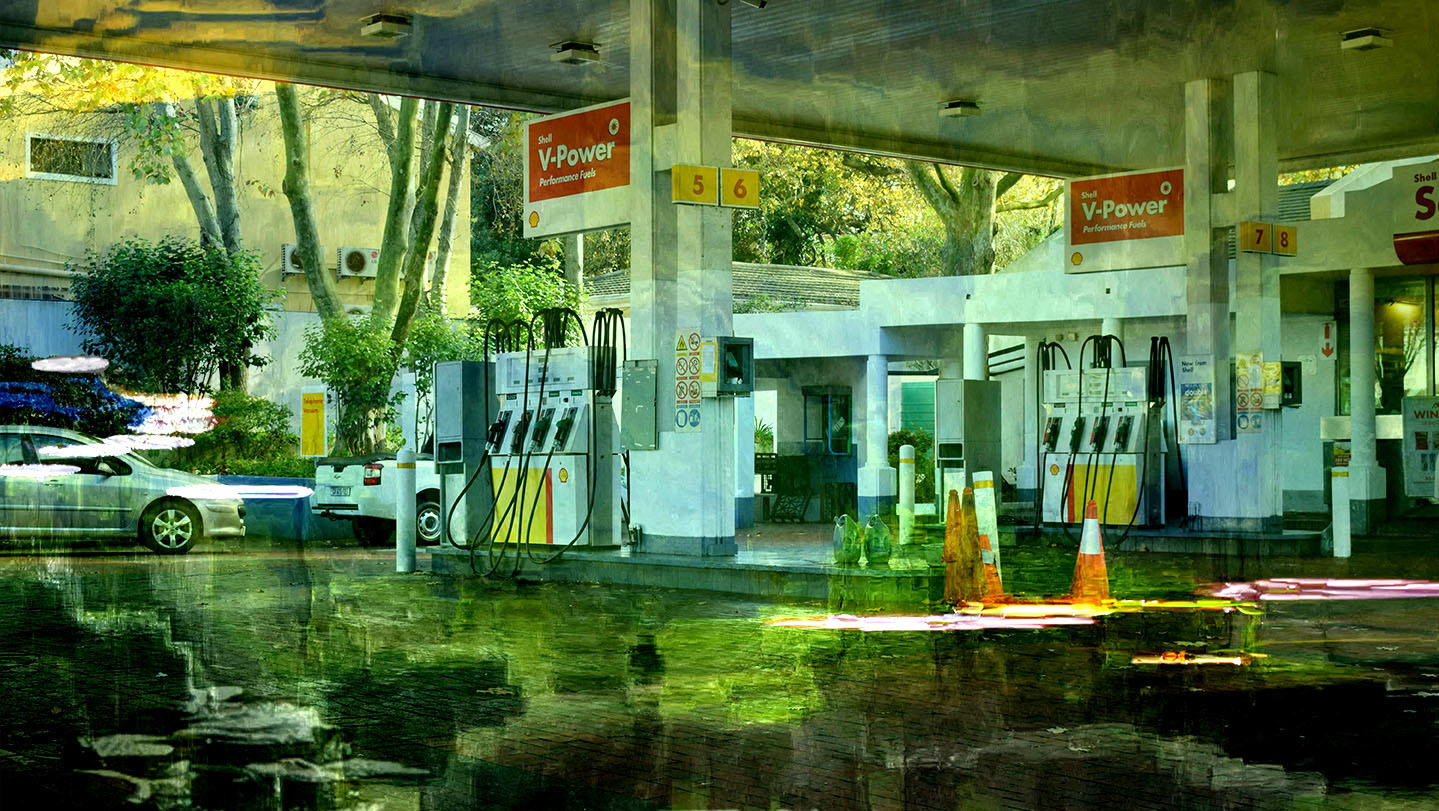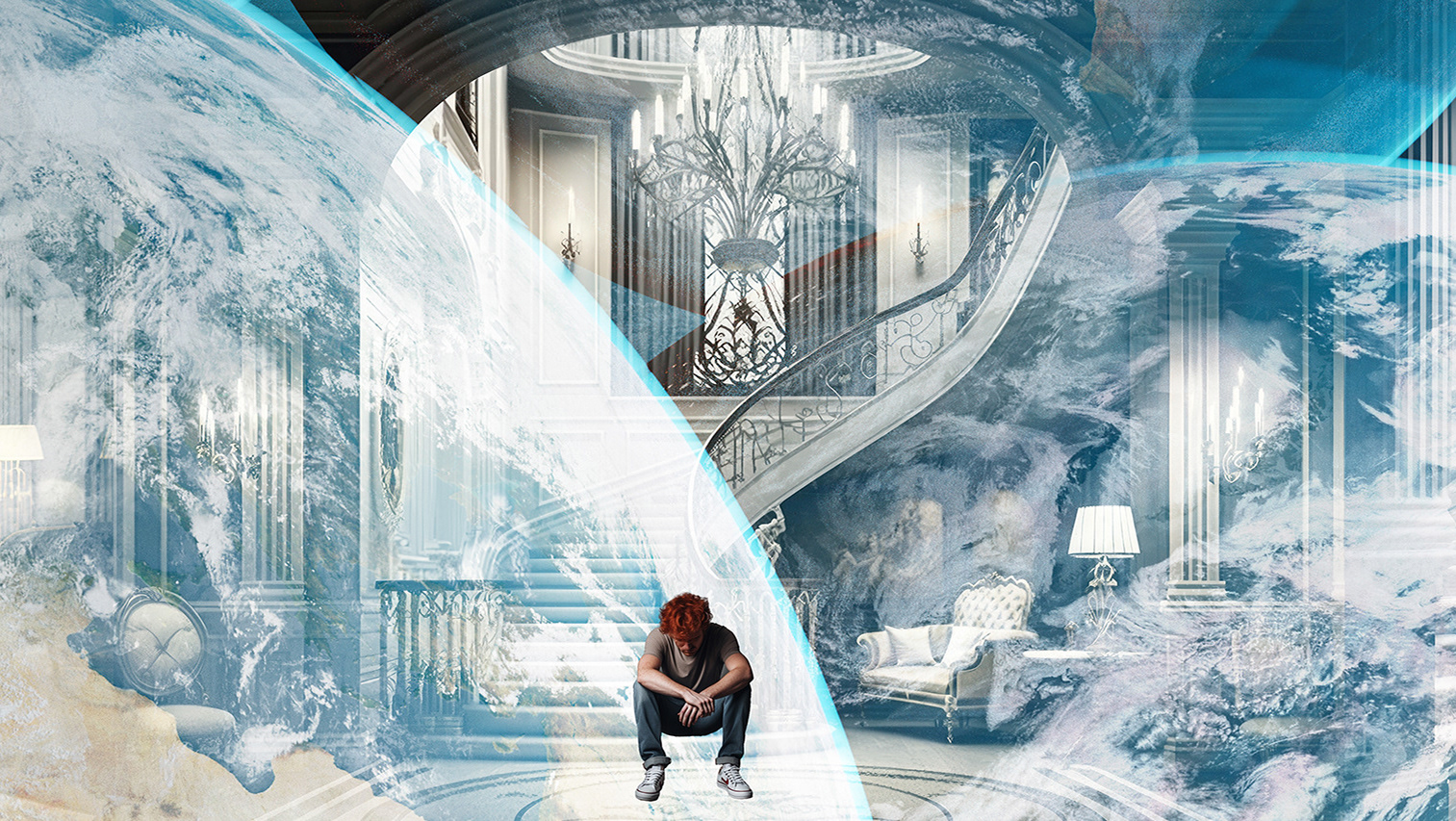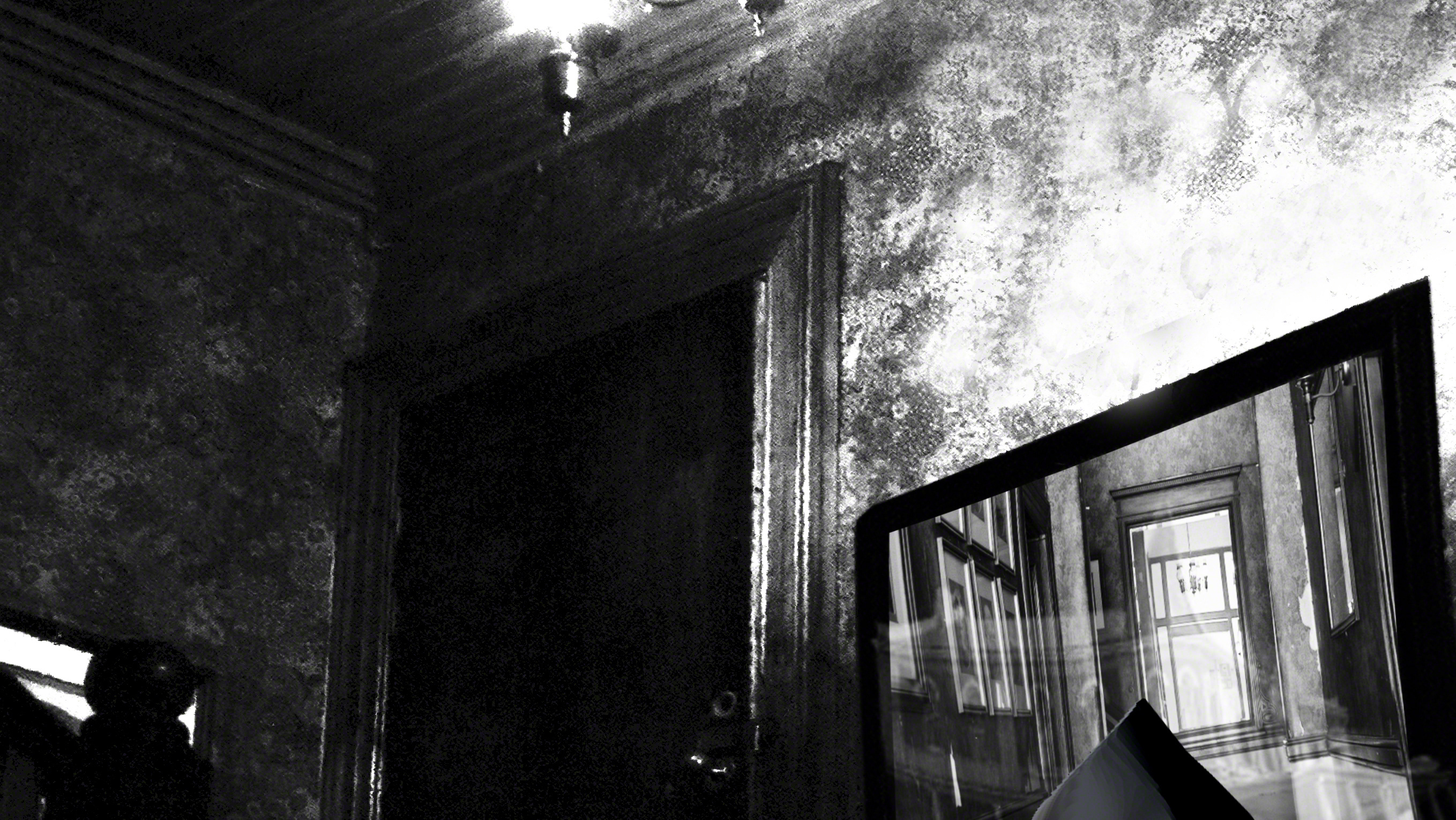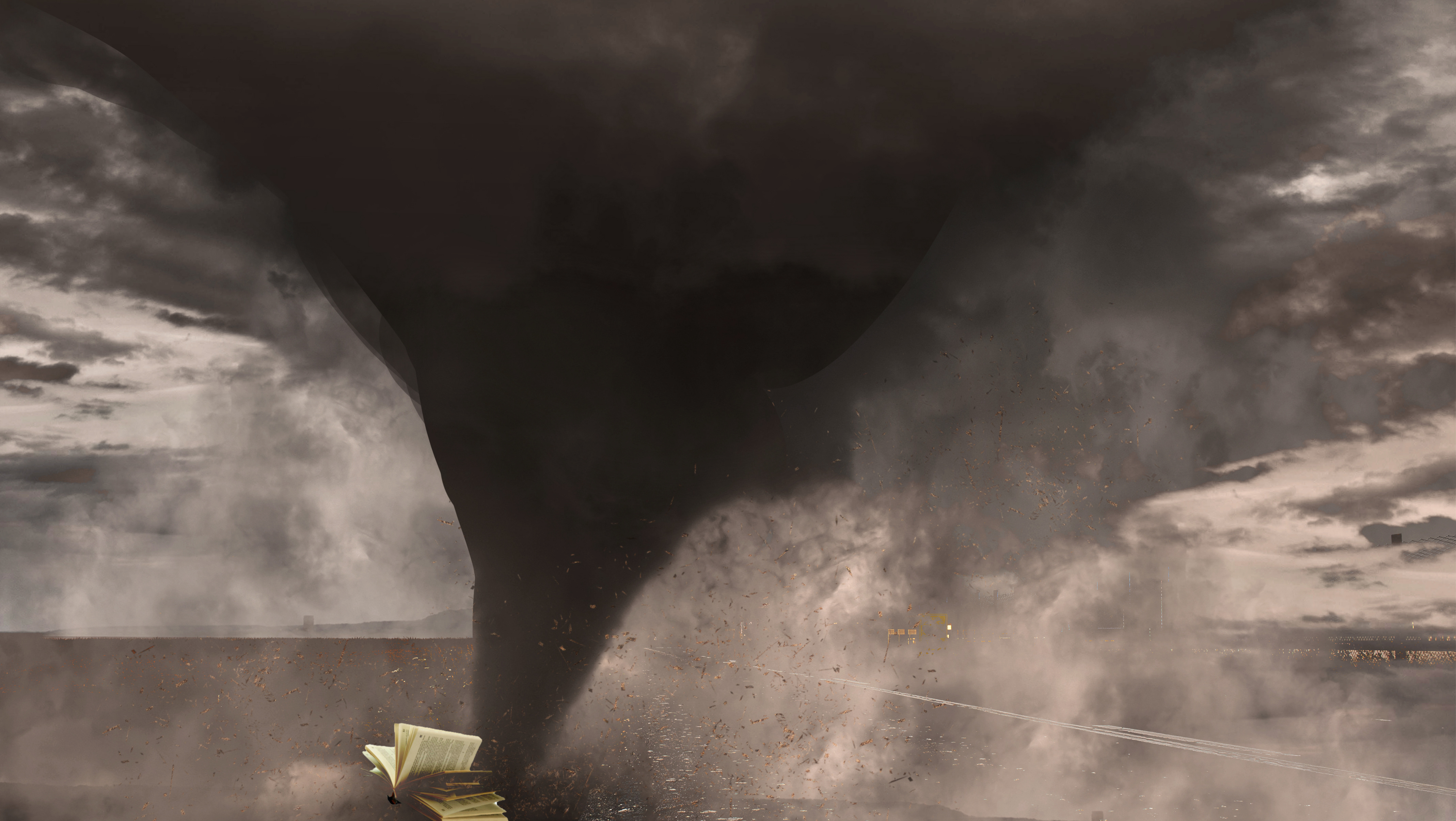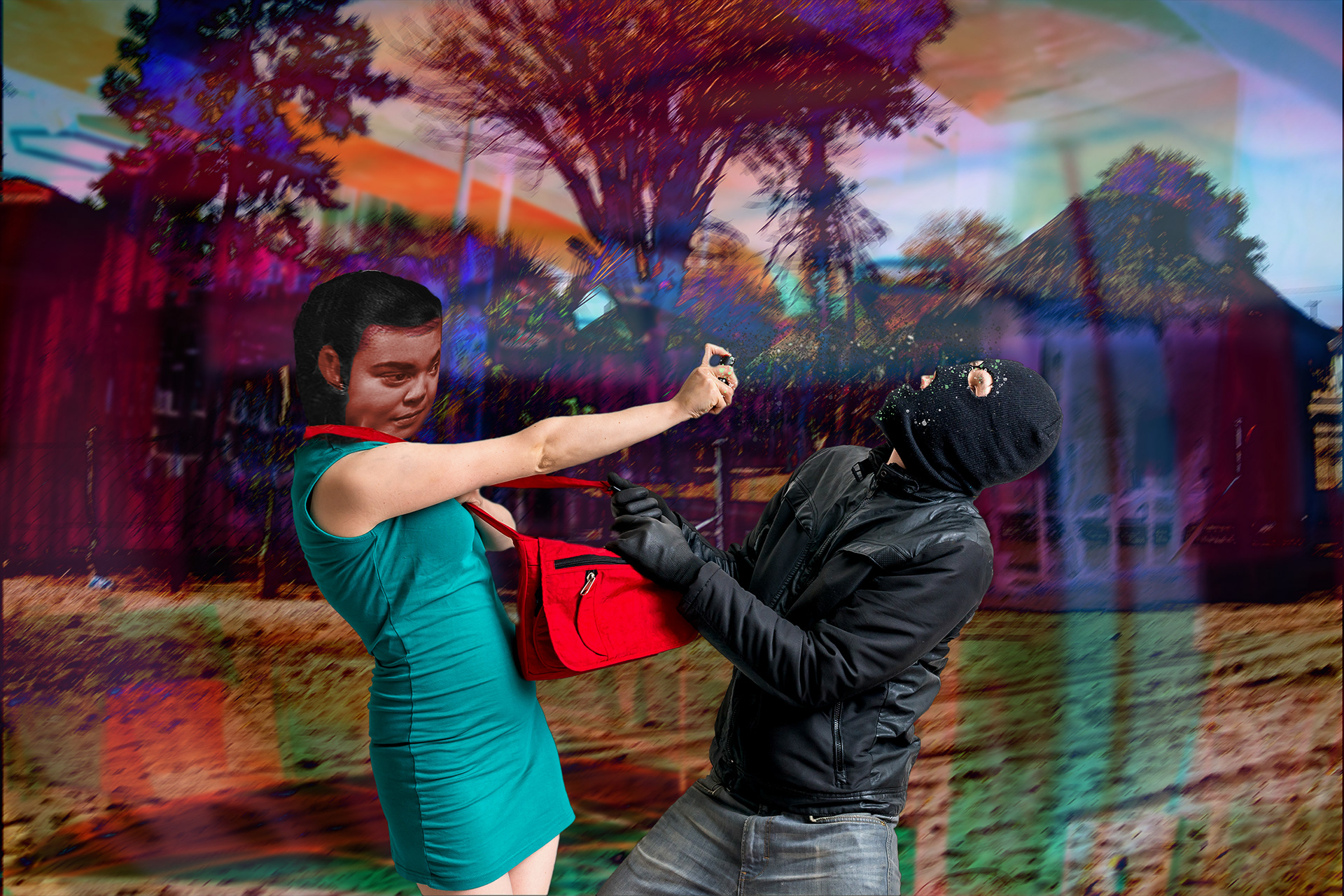
Bessie Head (2018)Featured in the 'No Ordinary Women' and 'A Gender' exhibition
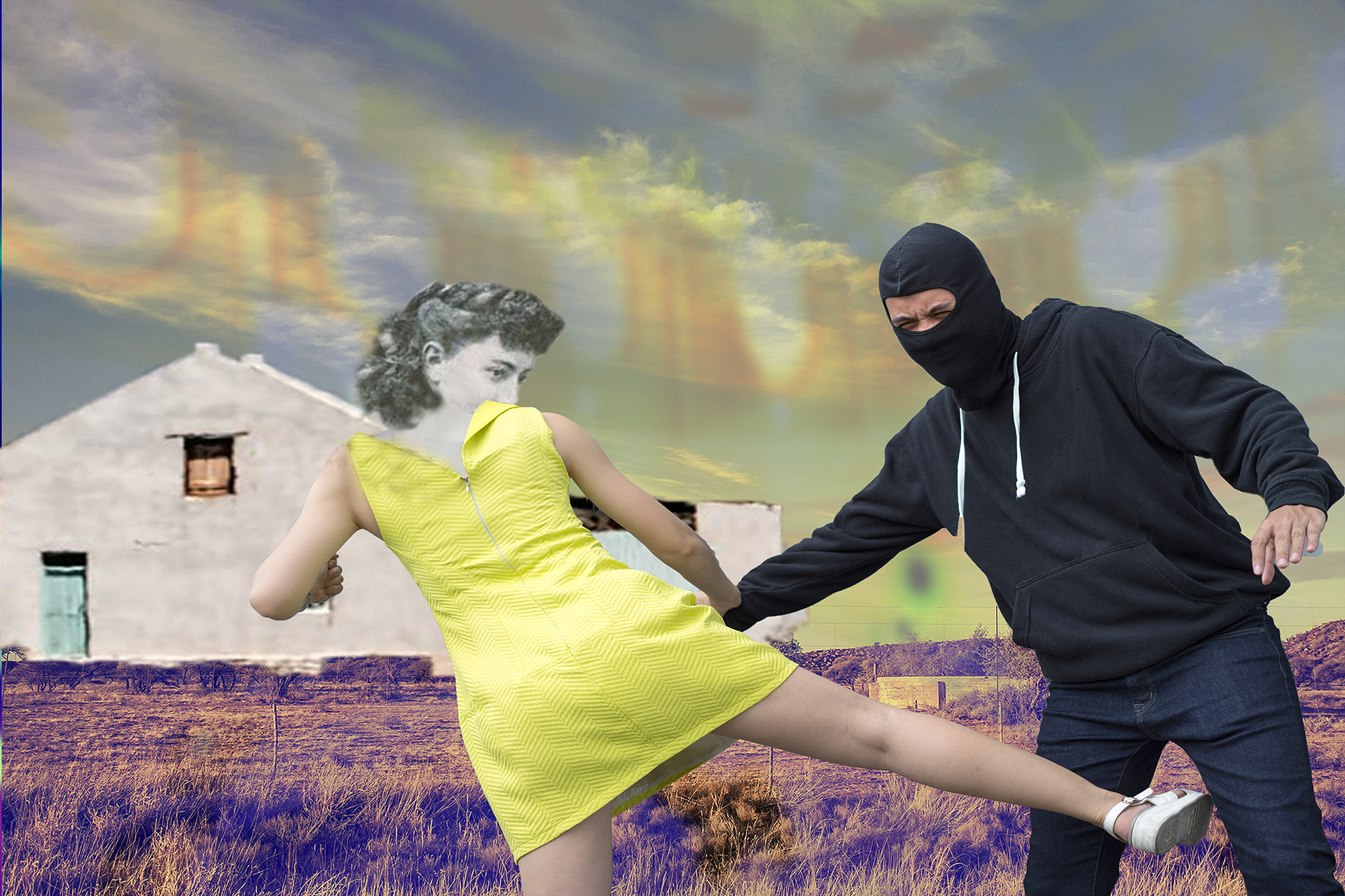
Olive Schreiner (2018)Featured in the 'A Gender' Exhibition
about
Literary Resistance and Artistic Interpretation
Bessie Head and Olive Schreiner
The male figures in these works are not intended as portraits of individual men. They operate as symbols of patriarchy: presences that stand for inherited systems of power, control and violence.
Against them, I have placed the heads of Bessie Head and Olive Schreiner. Both writers imagined women who exceeded the expectations of the worlds they were written into. Their female characters do not sit quietly inside the limits prepared for them. They question, resist, leave, endure, refuse and act.
The use of these two writers is therefore not simply literary reference. It is a form of visual alignment. Their heads become emblems of thought, refusal and witness. They suggest a lineage of women who have seen clearly, spoken differently, and challenged the rules by which women were expected to live.
Landscape and Fictional Worlds
The backgrounds draw from the worlds of their novels: the huts and village landscapes associated with Botswana, and the farmlands of the Karoo. These settings are not passive scenery. They hold the atmosphere of the stories, and they locate the figures within histories of place, gender and social expectation.
The landscape becomes part of the argument. It reminds us that patriarchy is not abstract. It is lived in homes, villages, farms, roads and bodies. It is built into ordinary spaces, and it is often in those ordinary spaces that women are asked to survive what should never have been asked of them.
Personal Encounter and Imagined Resistance
These images are also informed by my own experience of being mugged last year. In that moment, I screamed, but I did not fight back. Afterwards, the event remained with me, not only as fear, but as an imagined alternative. What if I had acted differently? What if I had resisted with my whole body? What if I had become, even briefly, one of the women I was trying to honour?
The women in these images become versions of that imagined response. They stand for the self that fought back, the self that refused paralysis, the self that met violence with action.
Artistic Interpretation
These works are celebrations of women who have resisted violence, and by extension, the patriarchal structures that make such violence possible. They are not celebrations of violence itself, but of refusal. Of the moment when fear does not have the final word.
Through Bessie Head and Olive Schreiner, the works connect personal memory to literary history. Through the landscapes, they connect fiction to place. Through the male figures, they name the system being confronted.
The images ask what it means for women to fight back, not only physically, but imaginatively, intellectually and historically. They honour women who did not obey the roles assigned to them, and they imagine resistance as a form of survival.
sources
South African History Online, “Bessie Amelia Head,” South African History Online, https://sahistory.org.za/people/bessie-amelia-head.
South African History Online, “olive schreiner,” South African History Online, https://sahistory.org.za/people/olive-schreiner.
Bessie Head, When Rain Clouds Gather and Maru (London: Virago, 2010), Rakuten Kobo e-book.
Olive Schreiner, The Story of an African Farm (London: Penguin Classics, 2012), Kindle edition.
Exhibited in the group exhibition
'No Ordinary women'
no ordinary women, sets off visual truth-rockets, by offering alternatives to the incessant and dissimilar depictions of women as viewed through photographic history and in current practice.
Imbued with nuance, the works on this show highlight the treachery of a culture where the viewer is required to separate from reality - where women must forgo the power of their true identity.
Questioning where photography becomes a mechanism in blinding us as a nation to the violence and out-right cruelty that exists against women. Fathoming internalised narratives that lead us to become a country that not only tolerates violence against women, but also, through its inaction - actively condones it.
Proposing an opportunity for exploring scenarios for healing and discussion, these reflections require that we look at life in a fuller way - inviting a broader understanding of how photographic images shape our attitudes, and the way we value each other.
We cannot claim the world as a real place if we are not awake to the consciousness of women. With photographic language taking a central place in our culture, it is imperative to commit to an authentic visual language, one which ceases to play the oppressor of the real, one which ceases to hate what is natural and true.
Reviewing how our society relates to women is critical to ending the unacceptable abuse of women in South Africa.
In this exhibition of all women photography we propose a counterpoint to the colonialist patriarchy and Apartheid model of how women have been and continue to be misrepresented. As we have articulated women in images, so we have come to perceive them.
The phrasing utilized by the medium of photography in advertising and in the media reduces women to mere symbols. This results in an over simplified vision of feminine consciousness, where women are striped of the poetry and the power of their gender. It is these distortions that create a climate where women cannot be truly known.
Informed by incessant visual constructs that disrespect and devalue women, we are developing a graphic-idiom imbued with hollowness and deception. What sparkles is an illusion, convincing us of our irregularities - a setting of standards that even the person in the image cannot live up to.
In the banal retouched image, we are producing a culture of living in opposition to the self, a backdrop for a constant internalised and often unrecognized battle.
Bereft of half of its true-self, and in consequence its humanity, society is at risk of becoming casually indifferent to reality, while carrying within an accumulation of fears, inflated by the disrespectful etymology of special effects. The burden of truth becoming ever more unbearable.
Curated and written by simone tredoux - ph centre