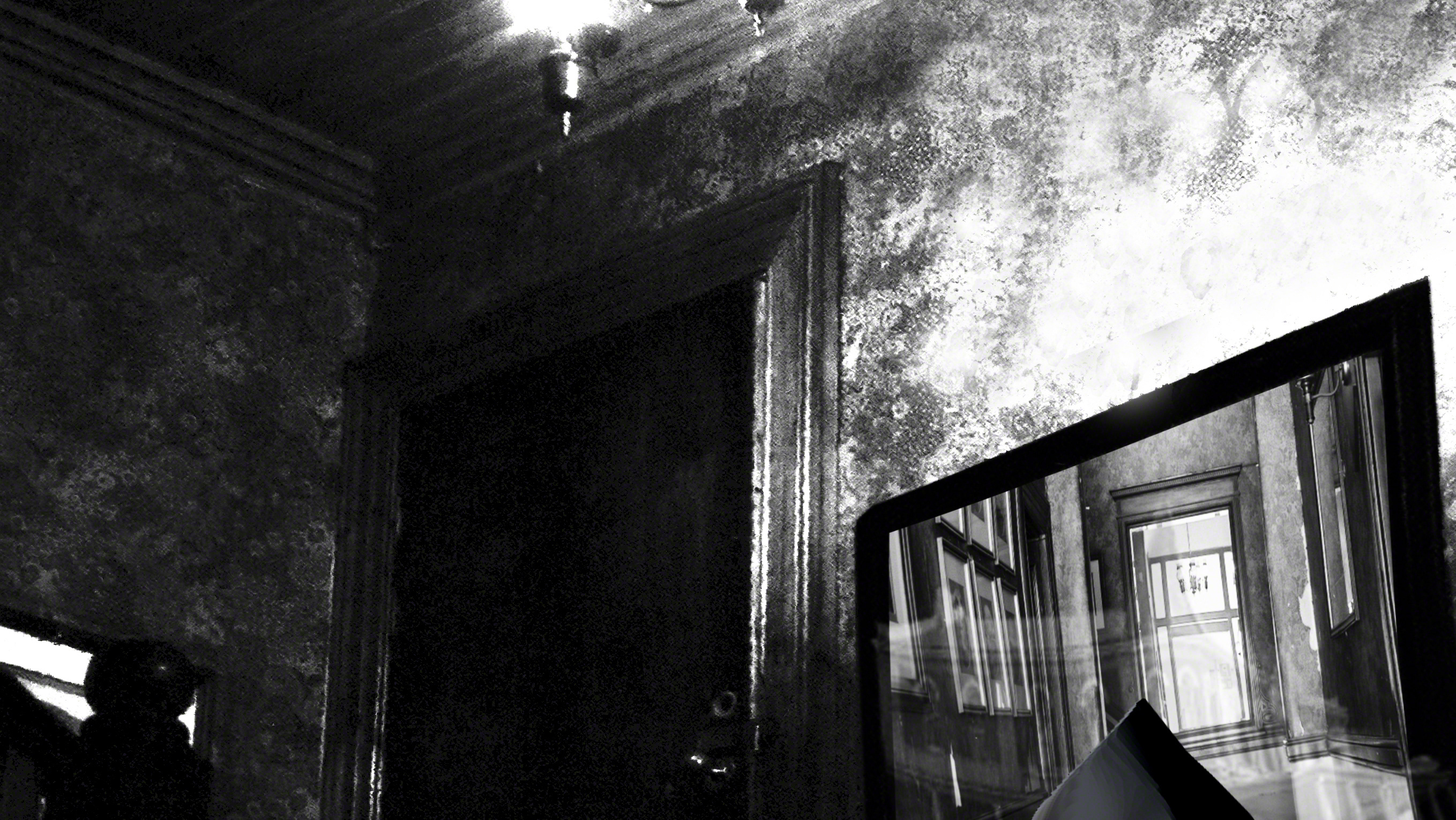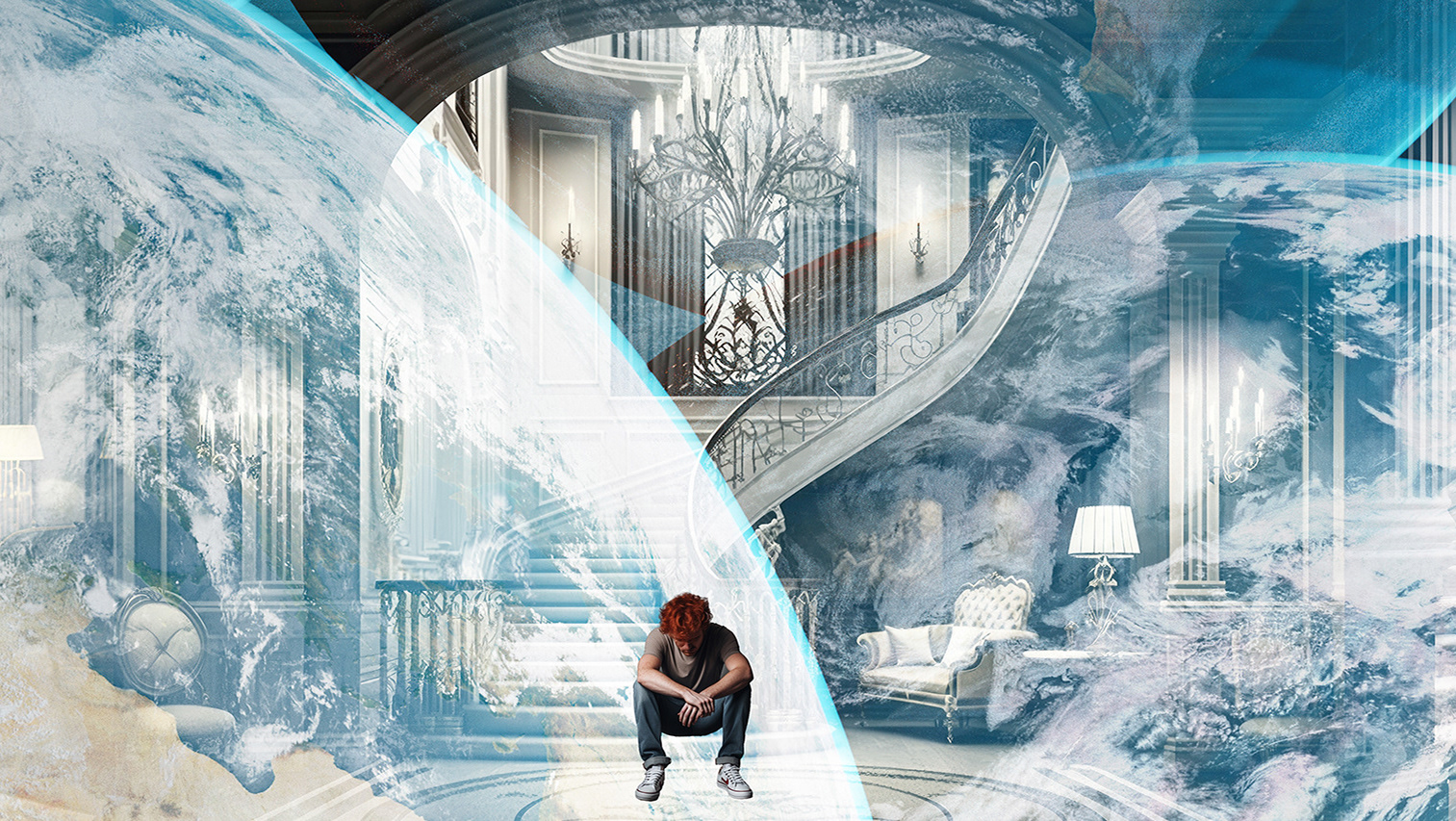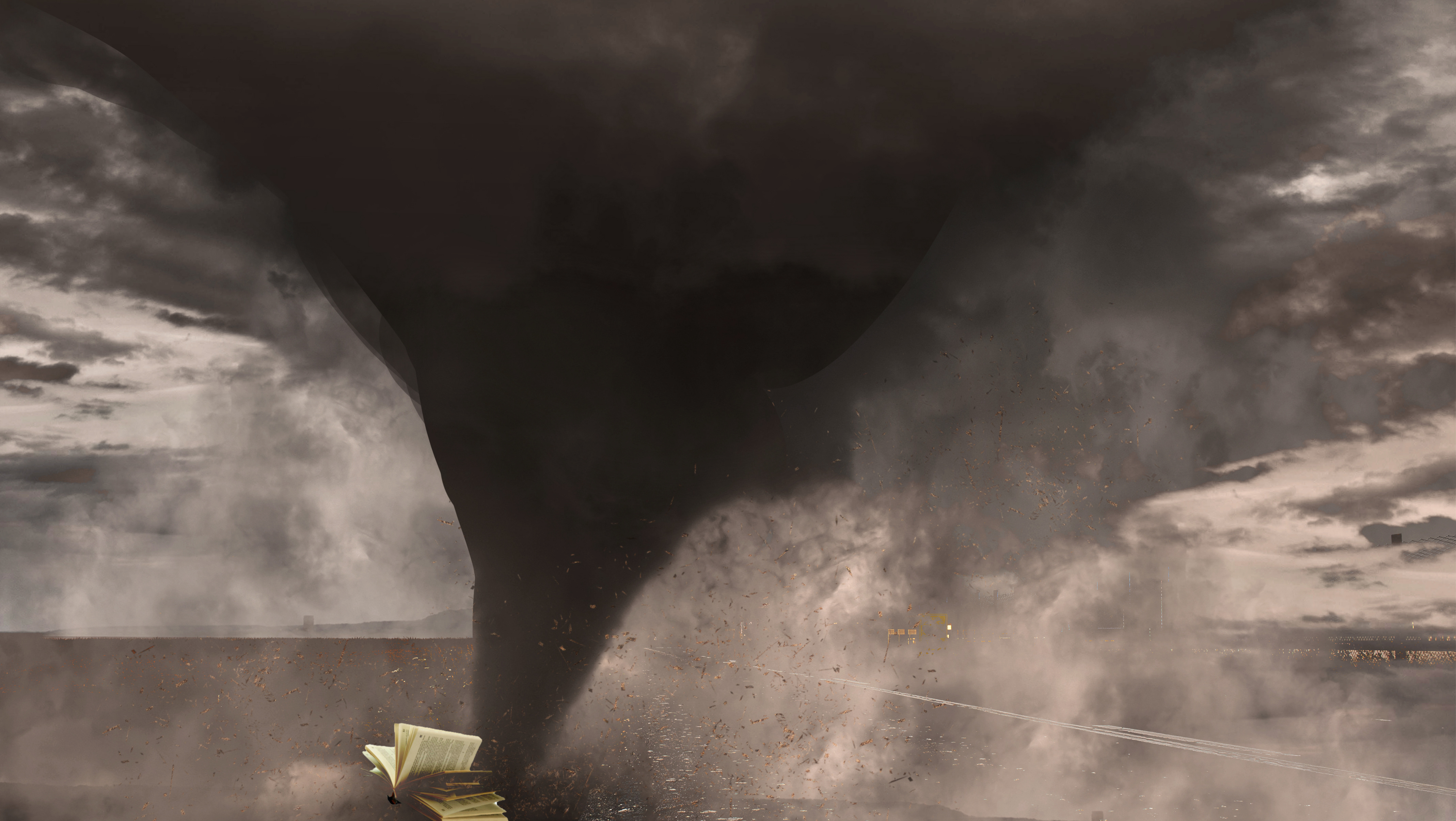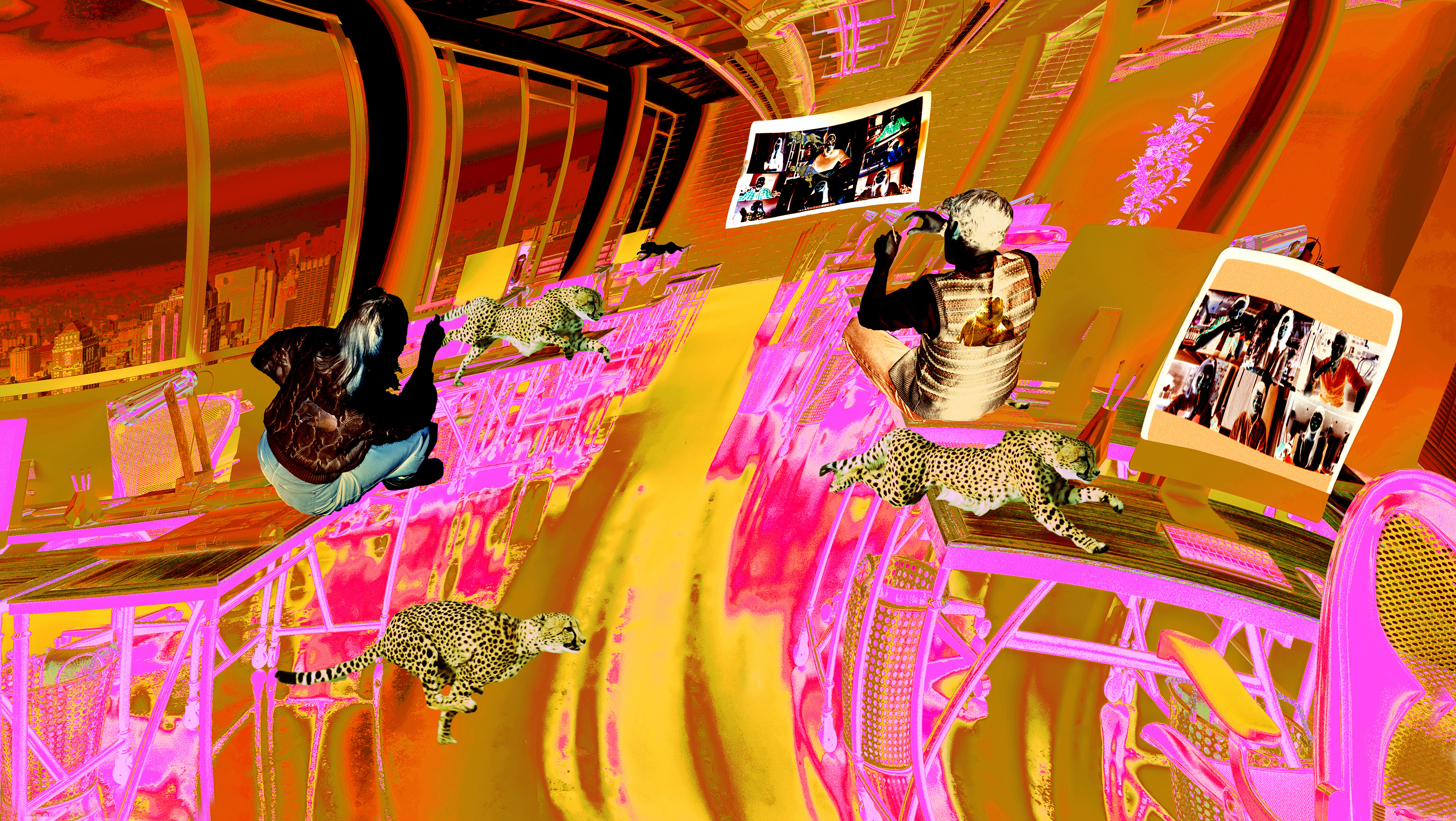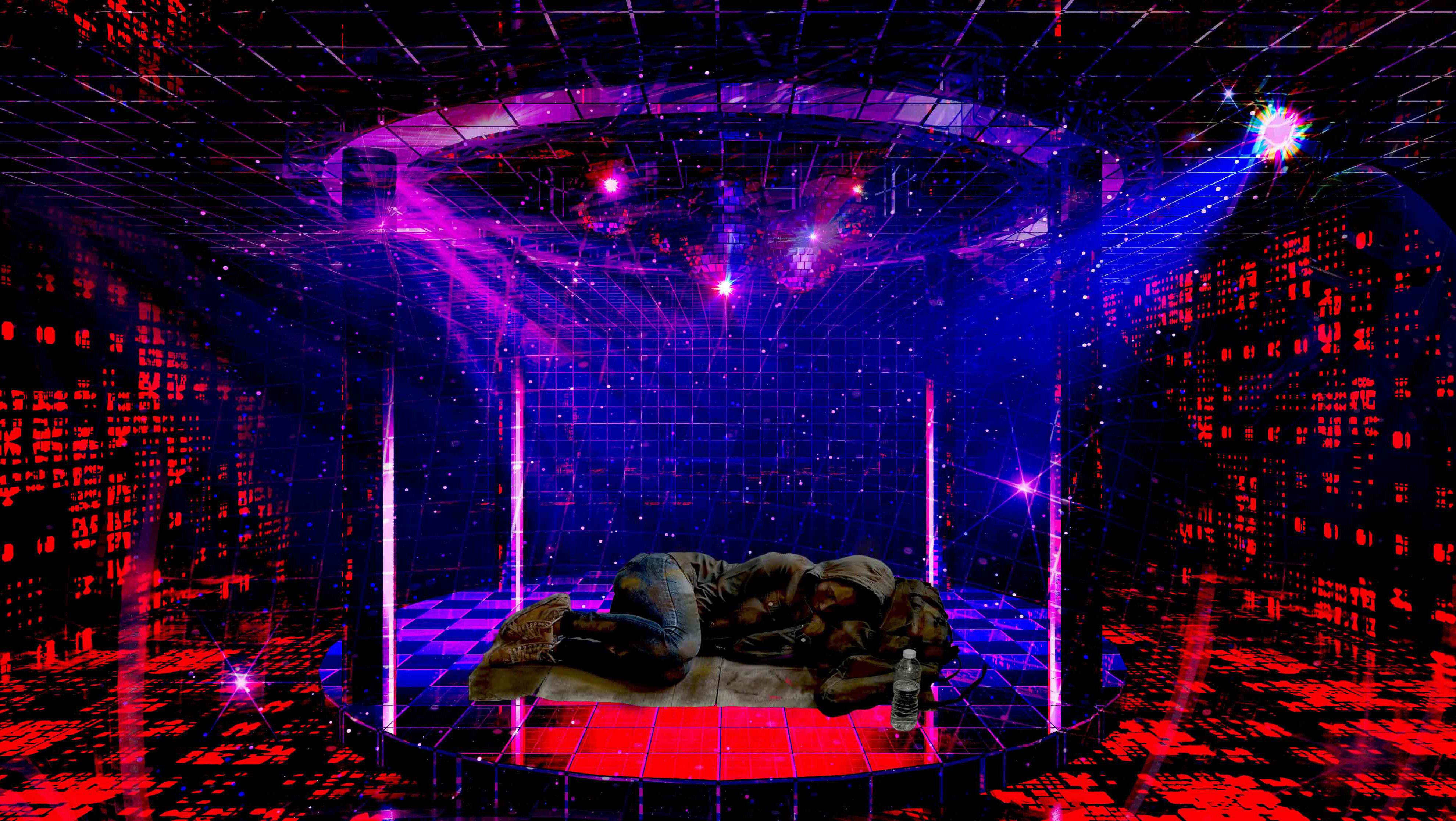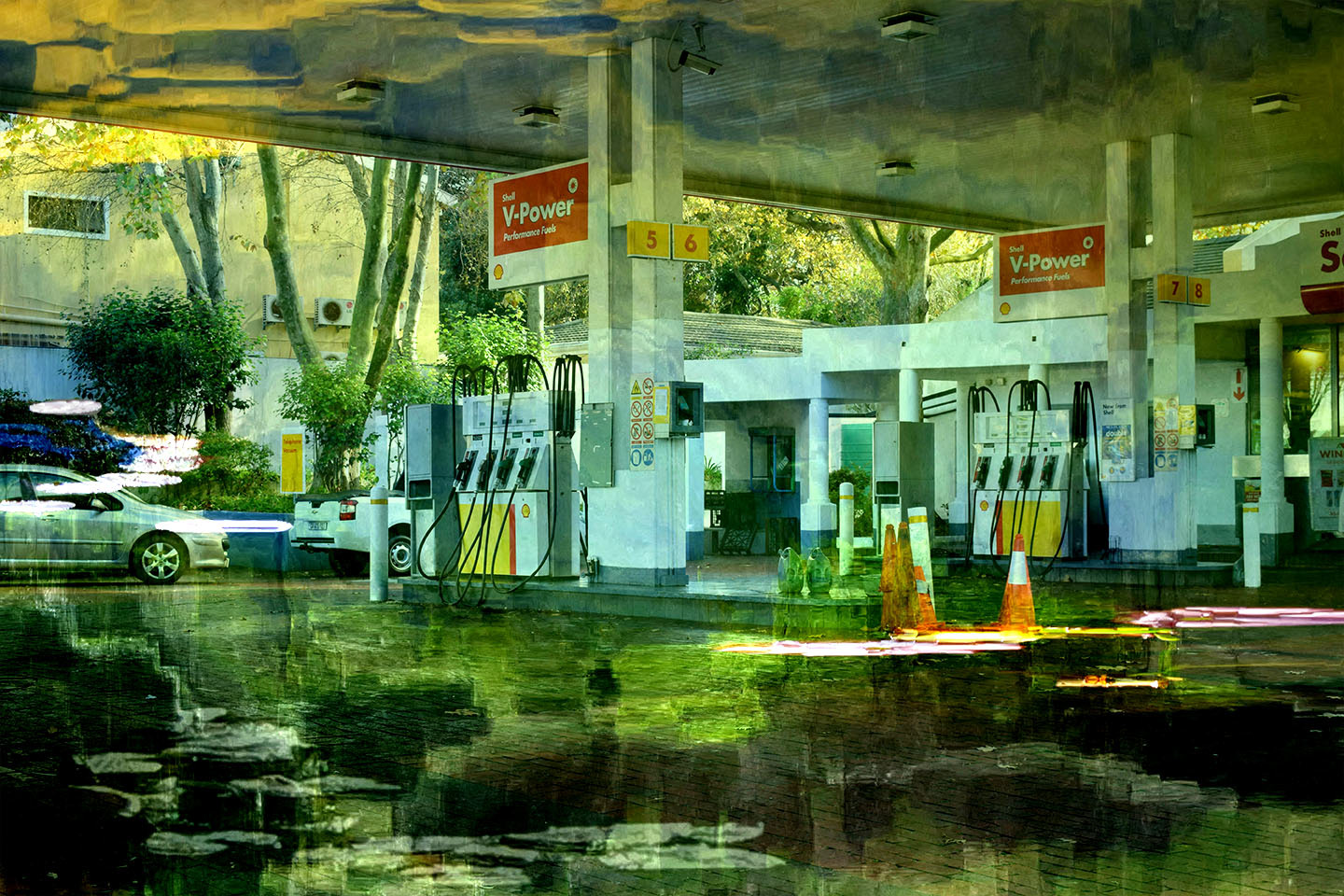
Just another day for you and me in paradise (2019). Featured in the 'Unforeseen Landscapes' exhibition
about
A photographic response to the complex relationship humanity has with the natural world
This brief made me think of our man made relationship to the natural world and how a big part of that is petroleum.
After taking photographs at a petrol station I remembered an image I took of lilies in a pond... and I thought of the rising water levels and how Monet's paintings of lilies were all about celebrating the beauty of nature. Also, seeing as the Impressionists were influenced by photography, by the way a moment is captured in time and the light therein, the two ideas seemed to speak to one another.
Combined they allude to a dystopian future... if petroleum is a thing of the past will nature resurrect herself? And if so what will that new reality look like?The title is taken from a Phil Collins song which speaks about someone down on their luck failing to get help from those with means. Petroleum fuels the divide between rich and poor and I wanted to make that a part of the image in some way.
exhibited in the group exhibition
'UNFORESEEN LANDSCAPES'
We are at a point in time where the human relationship with the natural world is overly strained, close to breaking point. We are in an age of ‘unforeseen landscapes,’ where the human impact on the planet, and its delicate but incredibly designed ecosystems, is entering unchartered and dangerous territory.
Far removed from the natural world, the grave sound of silent forests, the sights of dying oceans, where little life remains but green slime, the more than 400 dead zones awaits our comprehension. Yet disconnection from technology is currently our greatest fear. The average person spends six hours a day investing their emotions into virtual, rather than actual outcomes. We have replaced the instinctual, primal, sights, sounds, smells, feelings, the acoustic and the ether with sheer fantasy. Fantasy is our daily redefined reality. In this exhibition we feature 24 photographers, and their response to the complicated relationship mankind has with the natural world – and the idea that, we do not inherit the world from our ancestors, instead we borrow it from our children. The show is made up of works by both emerging and well-established photographic artists.
Despite the continuous hype in politics, we have become increasingly passive, much of our activities are automated or remote controlled, requiring minimal physical interaction with our environment. In the last 40–50 years we have slipped into a tech-pampered trance, where human consciousness of the physical and natural environment has all but faded. Within this stupor, we exist in self-granted impunity. According to a recent study released by the United Nations, a million species face imminent extinction, due to the unseen and cumulative effects of hundreds of everyday technologies, single use plastics, the industrial waste of multinational corporations whose industrial surplus is polluting the land, air, water and oceans. We are fast extinguishing nature, the very thing to which we owe our existence; the complex natural world from which we evolved, and which helped humanity survive for millions of years before civilization. In favoring technology, fantasy and convenience, our wide-ranging skills for survival in the wild are lost.
It’s an interesting, distressing time. We are seemingly at a point of unparalleled innovation and technological advancement. We have the ability to solve many problems. All the warning signs are there – imminent extinction of species, destruction of natural habitat, the climate crisis – but what remains to be seen is whether we’ll choose to act in time or continue with our current lifestyle, political, and economic choices that are altering life on earth as we know it.
Curated by Simone Tredoux - ph centre
Text co-writer: Brendon Bosworth · Human Element Communications